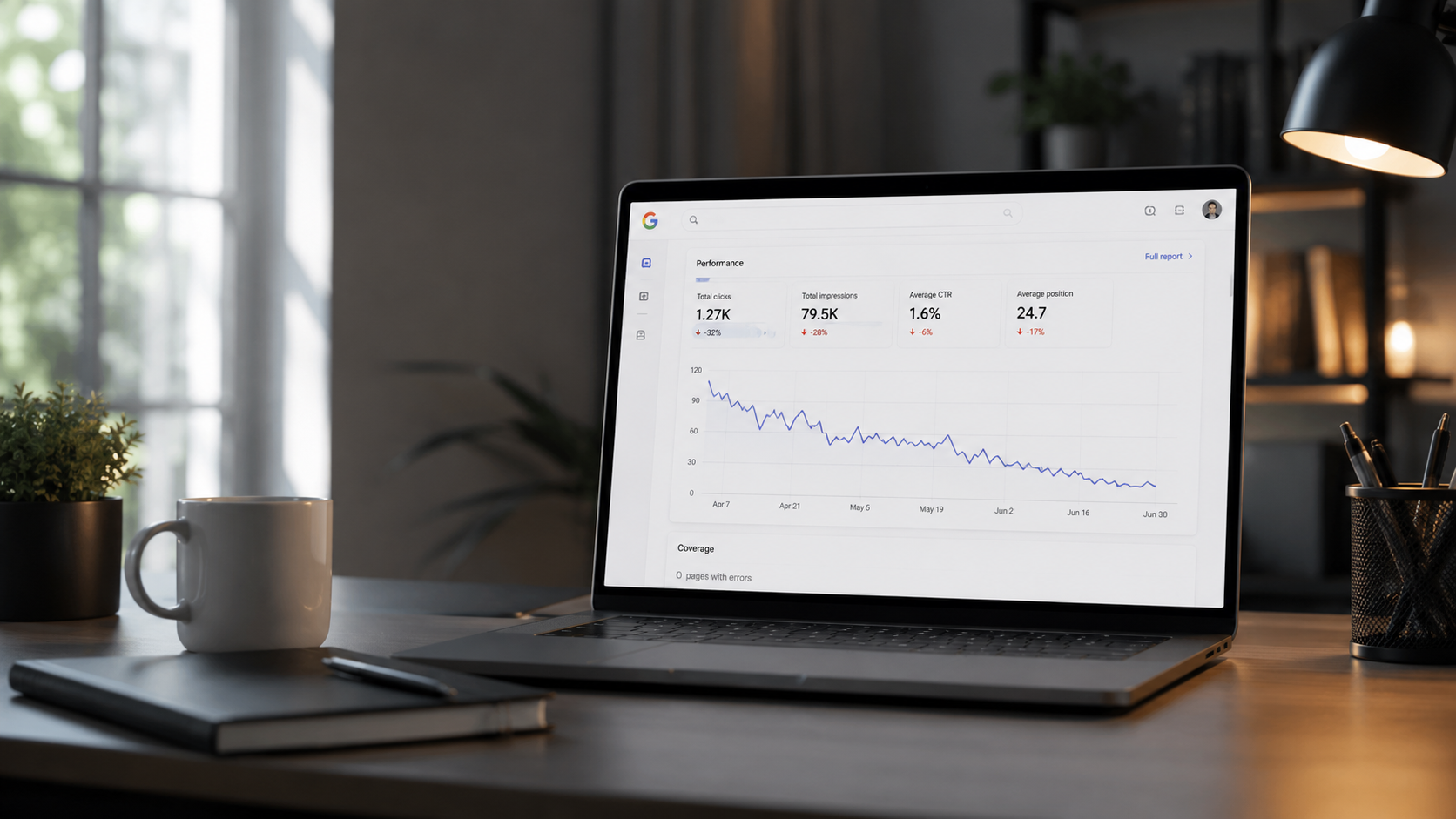
Why Your Blog Is Not Ranking on Google Anymore?
You spent three hours on that post. Maybe four.
You picked a keyword, wrote a solid introduction, added headings, optimized images, and even checked your SEO plugin score. Everything looked green.
Then you hit publish.
And nothing happened.
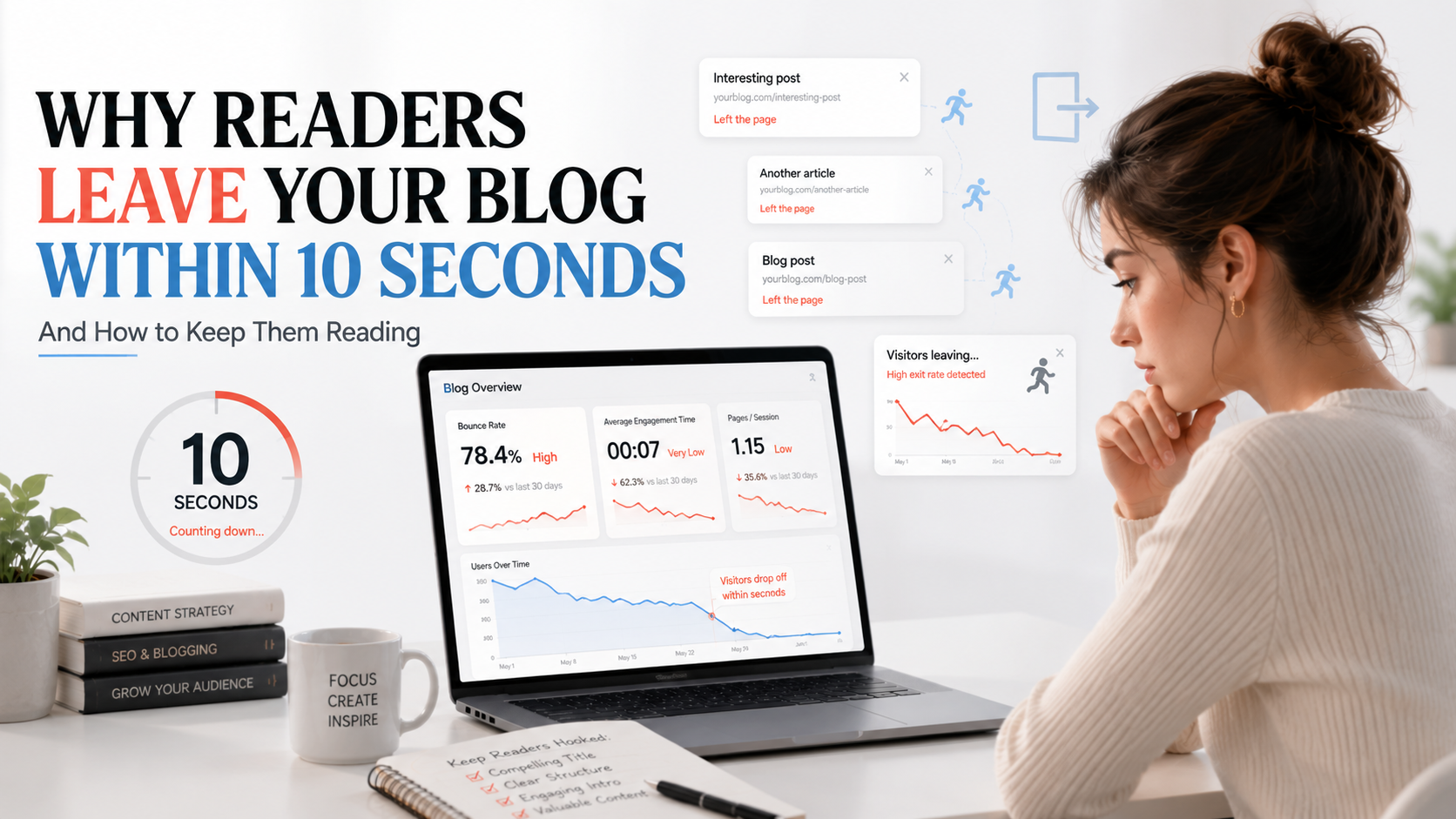
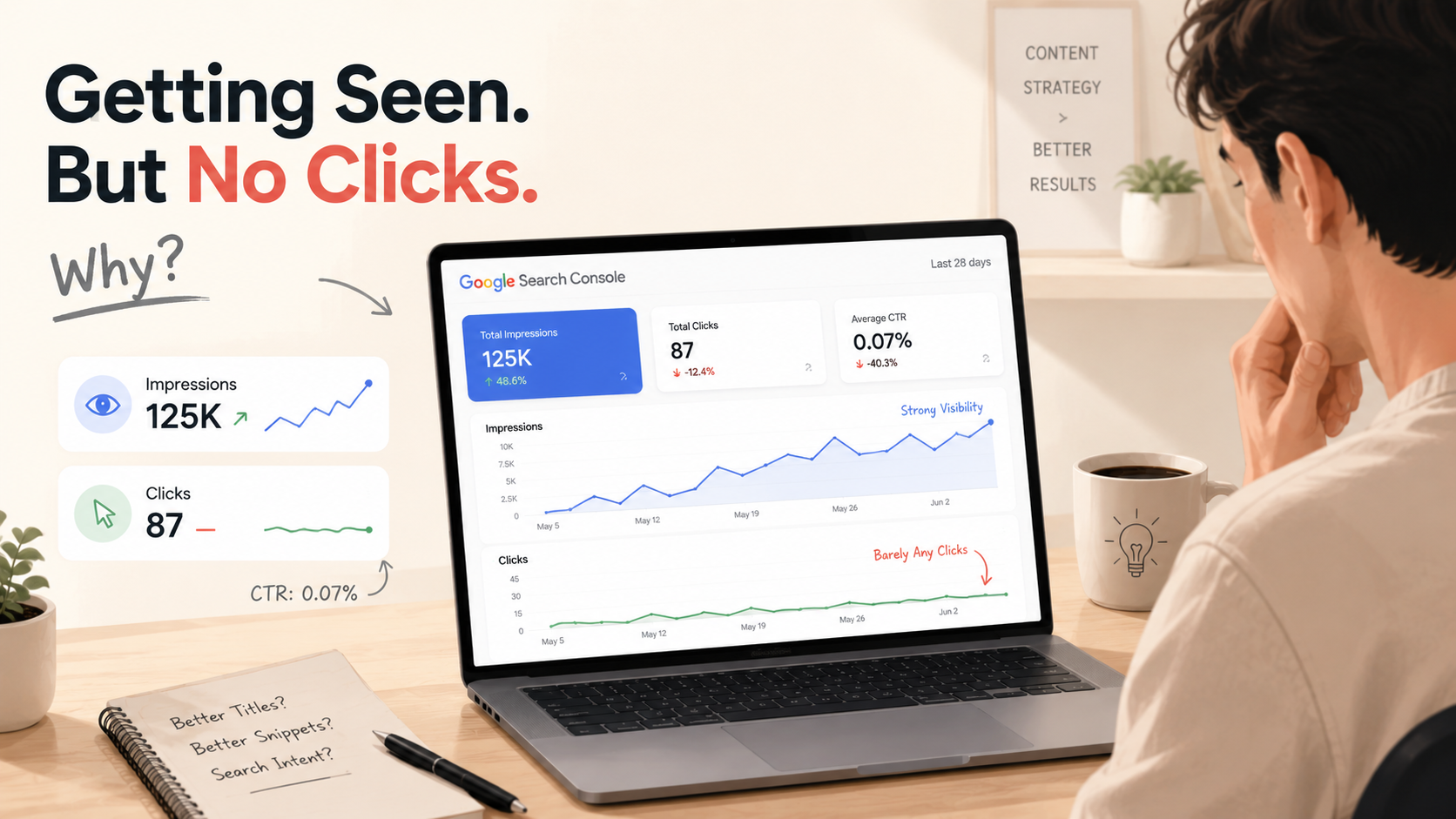
No rankings. No clicks. Barely any impressions.
If this sounds familiar, you’re not alone. Many beginners struggle because they think publishing good content is enough. But the reality is different.
Why your blog still isn’t ranking on Google usually has less to do with writing quality and more to do with SEO structure, search intent, and content strategy.
Google doesn’t just rank “good” content.
It ranks content it can clearly understand and trust.
If you’re completely new to SEO, Google’s official beginner guide is a great place to start:
https://developers.google.com/search/docs/fundamentals/seo-starter-guide
Another excellent beginner-friendly resource:
https://moz.com/beginners-guide-to-seo
Why Good Content Alone Doesn’t Rank
Here’s the biggest misconception in blogging:
Good writing ≠ guaranteed rankings.
Imagine two blogs targeting the keyword:
👉 “SEO tips for beginners”
Blog A:
- Beautiful writing
- Personal storytelling
- Nice design
Blog B:
- Clear headings
- Better keyword targeting
- Internal links
- Strong structure
- Matches search intent perfectly
Most of the time, Blog B wins.
Not because it’s more talented.
Because Google understands it more easily.
SEO is not about tricking algorithms.
It’s about making your content understandable for both readers and search engines.

Mistake #1 Targeting Keywords That Are Too Competitive
One of the biggest reasons your blog still isn’t ranking on Google is keyword competition.
New bloggers often target huge keywords like:
- SEO
- Blogging
- Digital marketing
But these keywords are dominated by massive websites with years of authority.
Trying to rank for “SEO” as a beginner is like opening a small café beside Starbucks.
Real-Life Example
A beginner blogger named Priya wrote an article titled:
👉 “SEO Tips”
It never ranked.
Later, she changed strategy and wrote:
👉 “SEO Tips for Student Bloggers in 2026”
That article started getting impressions within weeks because the keyword was more specific and easier to rank for.
Better Strategy: Long-Tail Keywords
Instead of:
❌ SEO tips
Try:
✅ SEO tips for beginner bloggers
✅ SEO tips for small business websites
✅ SEO tips for fashion bloggers
Long-tail keywords:
- Have lower competition
- Match clearer intent
- Bring more targeted traffic
Useful free tools:
Google Keyword Planner
https://ads.google.com/home/tools/keyword-planner/
Ubersuggest
https://neilpatel.com/ubersuggest/
AnswerThePublic
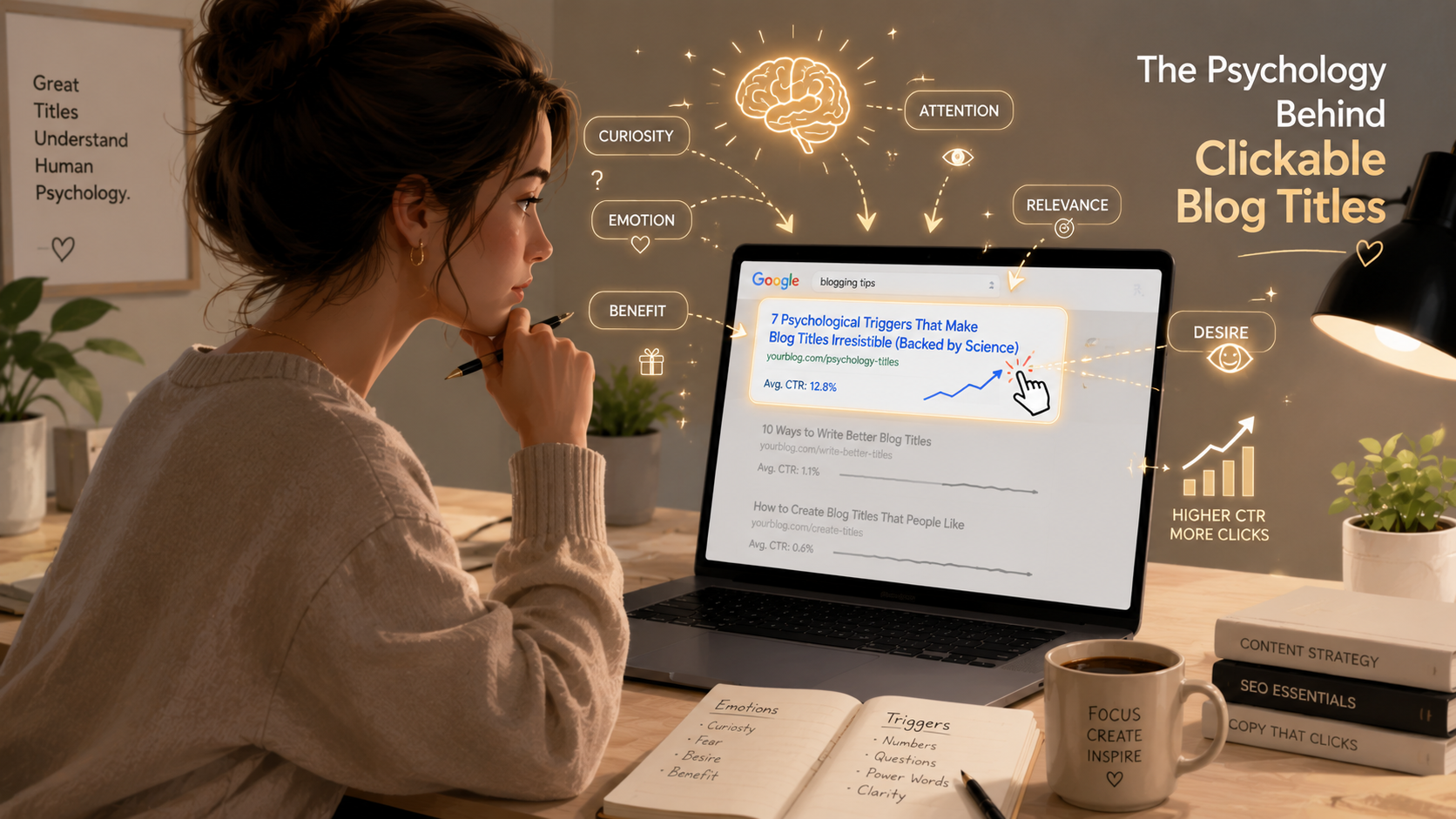
Mistake #2 Ignoring Search Intent
This is where many blogs fail silently.
Search intent means:
👉 What does the person actually want when they search this keyword?
Example
Someone searches:
👉 “best phones under 20000”
What do they expect?
- Comparisons
- Pricing
- Pros and cons
- Recommendations
What they do NOT want:
- A history of smartphones
- A technical essay on processors
If your format doesn’t match intent, Google usually won’t rank it highly.

Types of Search Intent
1. Informational Intent
Users want to learn something.
Examples:
- what is SEO
- how to start blogging
2. Commercial Intent
Users compare options before buying.
Examples:
- best SEO tools
- best hosting for bloggers
3. Transactional Intent
Users are ready to take action.
Examples:
- buy domain name
- subscribe to Netflix
To understand this better, read my complete guide on search intent in SEO.
https://climaxcreators.com/posts/search-intent-in-seo-match-content-to-what-users-want
Mistake #3 Weak On-Page SEO
You can write amazing content.
But if Google struggles to understand the page structure, rankings suffer.
That’s where on-page SEO matters.
Important On-Page SEO Basics
- Add your focus keyword naturally in the title
- Mention it in the first paragraph
- Use H2 and H3 headings properly
- Write clean URLs
- Add image ALT text
- Use a proper meta description
Real-Life Example
A student blogger rewrote an article by:
- shortening paragraphs
- improving headings
- adding internal links
- optimizing the title
The content stayed mostly the same.
But rankings improved significantly after the update.
That’s the power of structure.
You can also check my detailed on-page SEO checklist before publishing any blog.
https://climaxcreators.com/posts/on-page-seo-checklist-for-2026-optimize-before-you-publish

Mistake #4 Your Posts Don’t Connect to Each Other
This is one of the most overlooked SEO mistakes.
Many bloggers publish articles like isolated islands.
No internal links.
No topical connection.
Google prefers websites that demonstrate depth and authority around a topic.
Real-Life Example
Imagine these blog posts:
- Keyword Research Guide
- Search Intent Guide
- On-Page SEO Checklist
- Internal Linking Guide
When these posts link to each other naturally, Google starts understanding:
👉 “This website genuinely covers SEO deeply.”
That builds topical authority over time.
Internal linking also improves:
- User engagement
- Session duration
- Crawlability
Learn more about internal linking here:
https://developers.google.com/search/docs/crawling-indexing/links-crawlable
Mistake #5 Expecting Results Too Fast
This might be the hardest truth.
SEO is slow.
Not because the system is broken.
Because Google is careful.
It needs time to:
- discover your content
- test rankings
- analyze user behavior
- compare competitors
Typical SEO Timeline
Week 1–2
Google indexes your page.
Month 1–2
A few impressions appear.
Month 3–5
Rankings stabilize.
Month 6+
Traffic compounds consistently.
What Google Actually Wants
At its core, Google wants one thing:
👉 Satisfied users.
That’s it.
Google asks:
“If we send someone to this page, will it solve their problem?”
Everything else:
- keywords
- backlinks
- structure
- engagement
…are just signals helping Google answer that question.

Simple SEO Action Plan for Beginners
If you want to improve rankings consistently:
1. Target low competition keywords
Avoid broad topics initially.
2. Study search intent before writing
Google your keyword first.
3. Optimize every article properly
Structure matters.
4. Add internal links
Connect related posts naturally.
5. Publish consistently
One strong article weekly compounds over time.
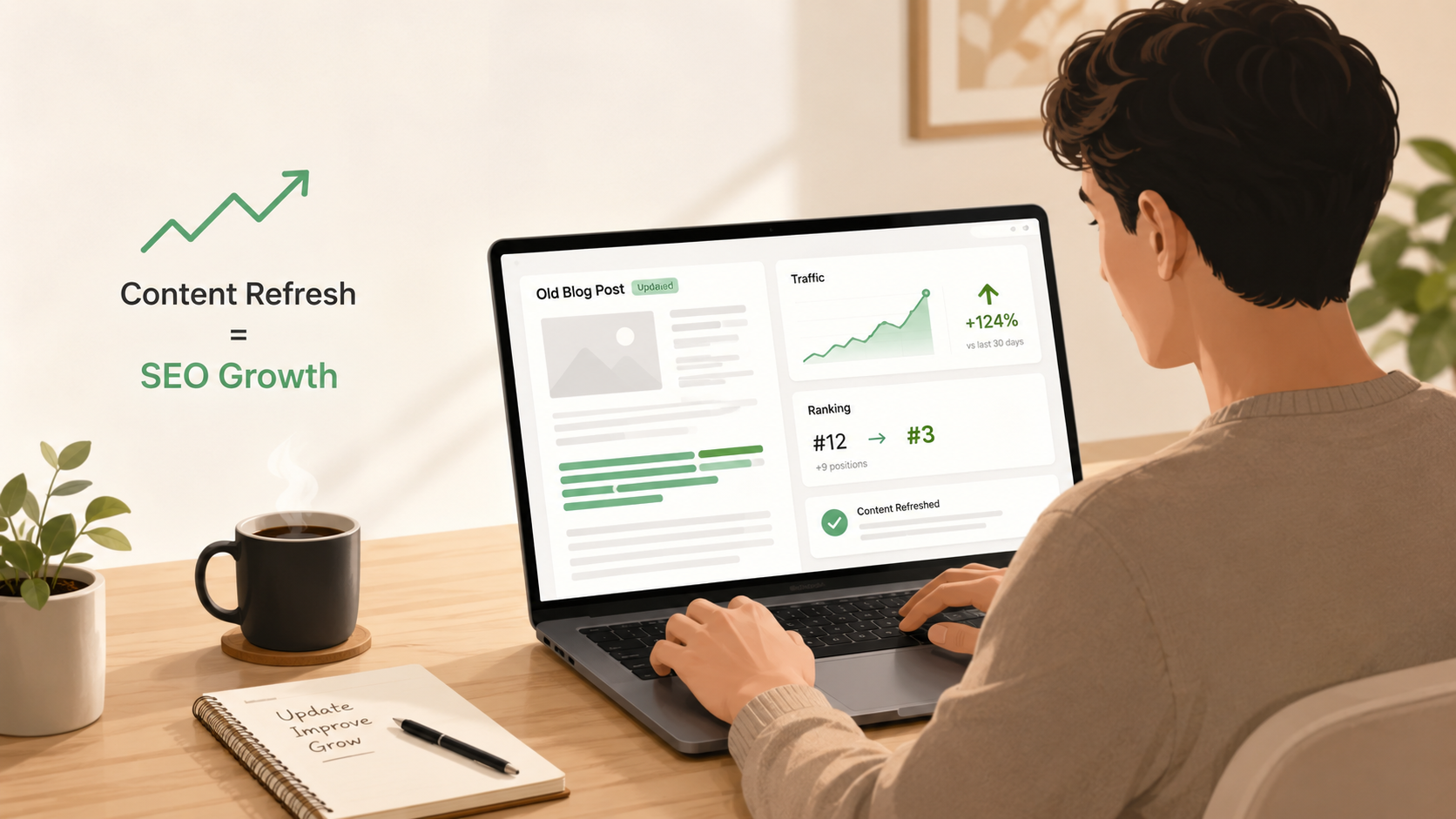
6. Update older posts
Refreshing old content can boost rankings significantly.
Useful SEO Resources
Google Search Console
https://search.google.com/search-console/about
Google PageSpeed Insights
Google SEO Starter Guide
https://developers.google.com/search/docs/fundamentals/seo-starter-guide
Moz Beginner’s Guide to SEO
https://moz.com/beginners-guide-to-seo
Frequently Asked Questions
Why is my blog still not ranking on Google?
Usually because:
- the keyword is too competitive
- search intent is mismatched
- on-page SEO is weak
- the blog lacks authority
How long does SEO take?
Typically:
- 3–6 months for noticeable growth
- faster for low competition keywords
Can a new blog rank without backlinks?
Yes.
Many low competition keywords can rank through:
- strong on-page SEO
- proper search intent
- internal linking
- consistency
Does updating old content help rankings?
Absolutely.
Updating:
- headings
- statistics
- links
- structure
…can significantly improve visibility.
Final Thoughts
SEO often feels slow right before it starts working.
The blogs that eventually grow are not always the smartest.
They’re usually the ones that stayed consistent long enough.
So if you’re wondering why your blog still isn’t ranking on Google, remember:
- improve your keyword strategy
- match search intent
- optimize structure
- connect your content
- stay patient
Because good SEO compounds over time.
And once it starts working, it keeps working.