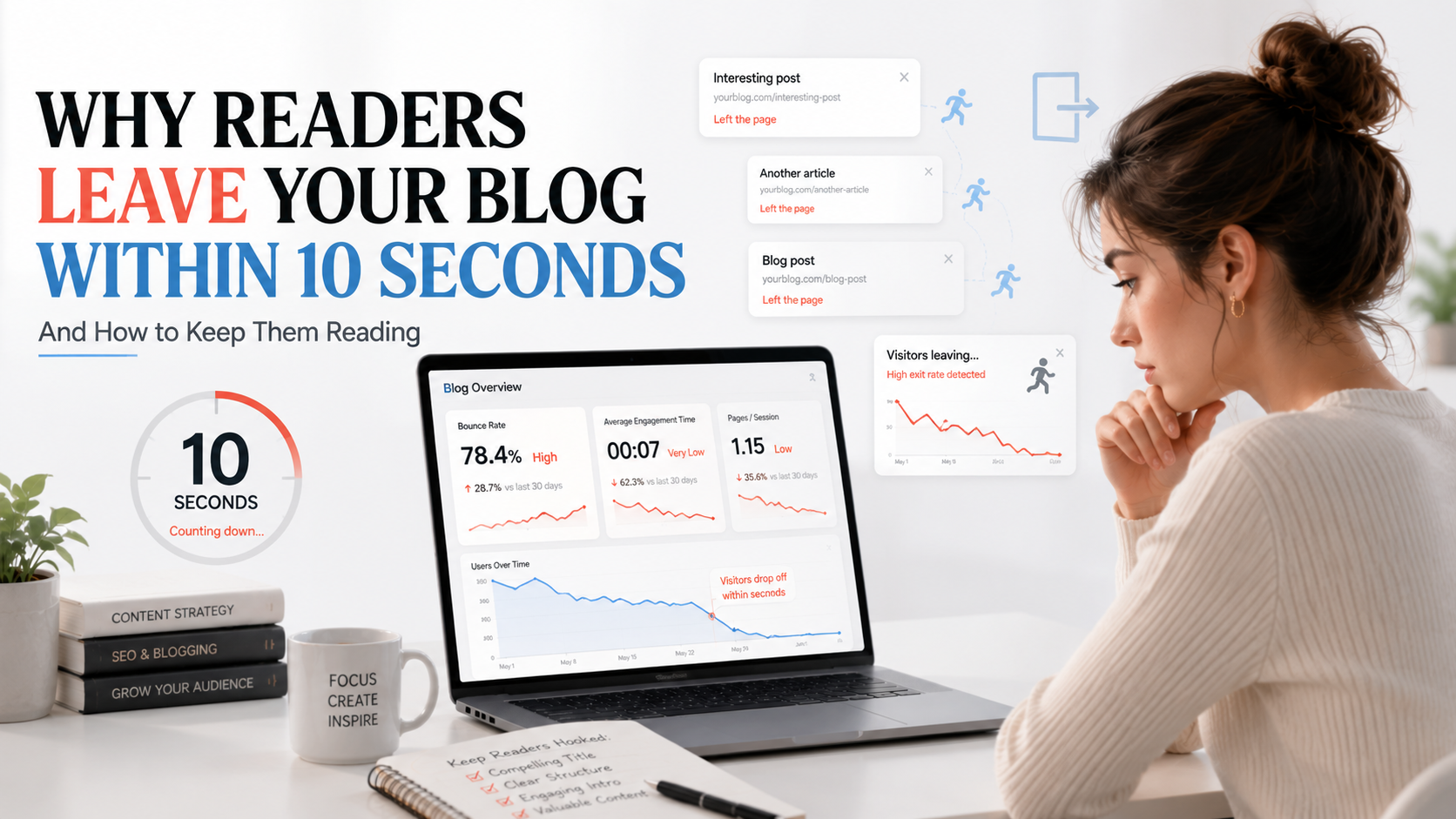
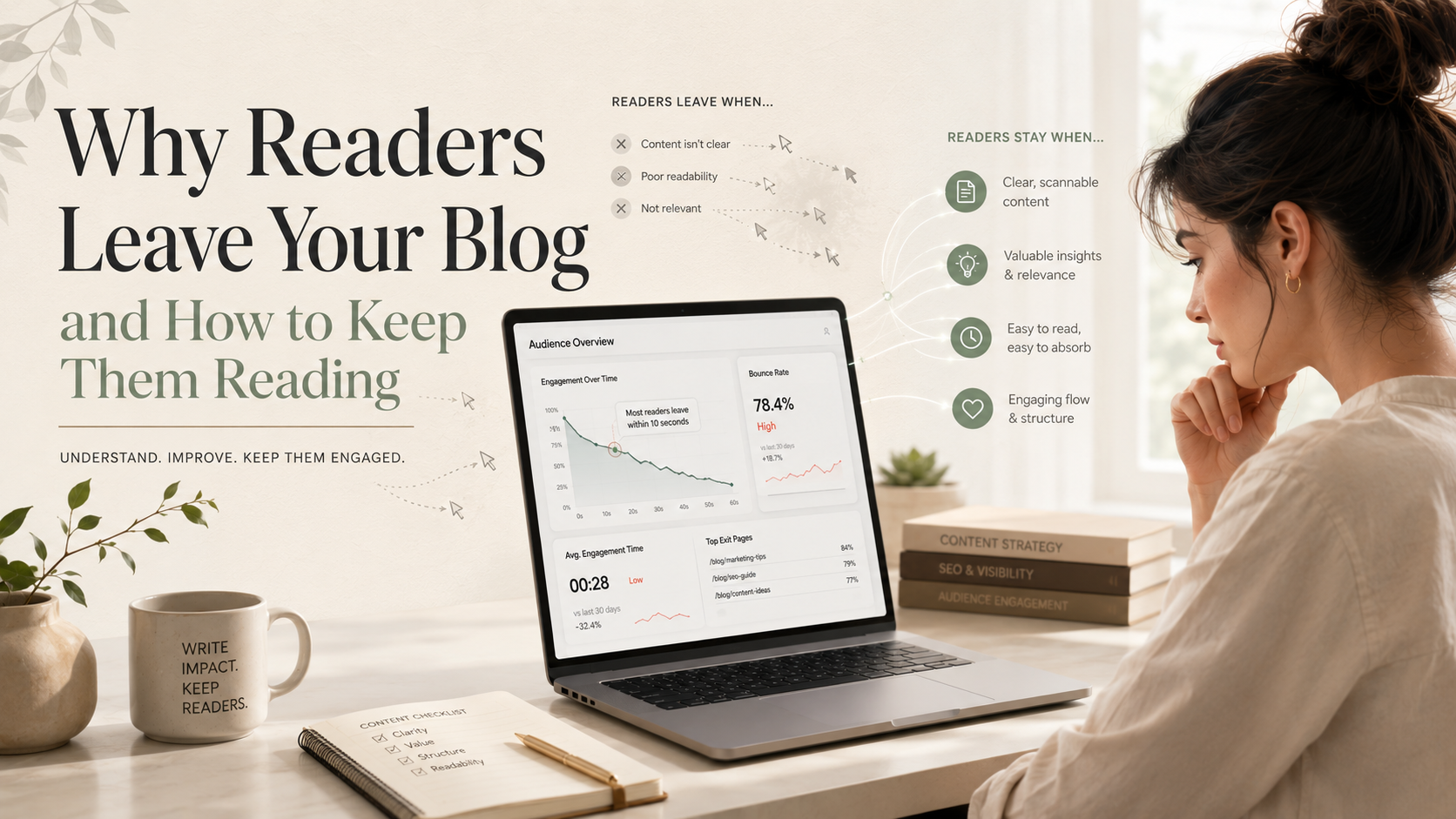
Why Readers Leave Your Blog Within 10 Seconds (And How to Keep Them Reading)
Have you ever opened an article, looked at the headline, scrolled a little, and then left without reading a single paragraph?
Most of us have.
Sometimes we don't even realize we're doing it.
The article might have been useful. It might have answered exactly what we were looking for. But within a few seconds, we've already decided it isn't worth our time.
Now here's the uncomfortable question.
What if readers are doing the same thing on your blog?
Many bloggers spend months learning SEO. They research keywords, publish consistently, and celebrate when traffic finally starts coming in.
Then they open their analytics.
Visitors are arriving.
But they're not staying.
That's usually when people start wondering why readers leave your blog so quickly.
The interesting part is that readers rarely leave because your ideas are bad.
Most of the time, they leave before they even discover your ideas.
People Decide Faster Than We Think
A few years ago, I walked into a bookstore looking for one specific book.
I remember picking up several books from the same section.
Some looked interesting.
Some probably had great content.
But I only bought one.
The strange thing is that I didn't read every page before deciding.
I looked at the cover.
Read a few lines.
Flipped through some pages.
And made a decision.
Readers behave in a surprisingly similar way online.
When someone lands on your blog, they aren't immediately reading every word.
They're trying to answer a simple question:
"Is this worth my attention?"
And they're answering that question faster than most bloggers realize.
Before they finish the introduction, they're already noticing things like:
- Does this look trustworthy?
- Is it easy to read?
- Can I quickly find what I came here for?
- Does this feel different from the ten other articles I just opened?
The answers to those questions often determine whether someone stays or leaves.

Most Readers Don't Actually Start By Reading
This sounds strange at first.
But watch yourself the next time you search something on Google.
Maybe it's:
"How to start a blog"
Or:
"Best productivity tips for students"
You click a result.
What happens next?
Most people don't start reading line by line.
Their eyes move around the page.
They notice the headline.
They look at a few subheadings.
They glance at an image.
They scroll.
Only then do they decide whether the article deserves their attention.
In other words, they scan before they read.
This isn't laziness.
It's simply how people process information online.
There is more content available today than anyone could possibly consume.
Readers have learned to filter quickly.
That's why formatting matters so much.
A well-structured article doesn't just look better.
It feels easier to consume.
And when something feels easy, people are more likely to stay.
The First Few Seconds Are Really About Trust
Think about visiting a restaurant for the first time.
Before the food arrives, you've already noticed dozens of things.
Is the place clean?
Does it feel organized?
Are people comfortable?
You start building trust before you've even tasted anything.
Blogs work the same way.
Trust starts long before someone finishes reading.
A cluttered design, broken formatting, or confusing structure creates doubt.
A clean layout creates confidence.
Neither guarantees great content.
But one makes people willing to continue reading while the other pushes them away.
This is one reason why readers often leave perfectly good articles.
The information might be useful.
The experience simply doesn't encourage them to stay long enough to discover it.

When Introductions Take Too Long
One of the most common mistakes bloggers make is assuming readers are willing to wait.
They aren't.
Imagine searching:
"How to improve blog engagement."
You click an article.
Instead of helping you immediately, the article spends four paragraphs talking about how blogging has evolved over the years.
You keep scrolling.
Still no answer.
At some point, you leave.
Not because the writer was wrong.
Because the writer was slow.
Readers usually arrive with a question already in mind.
The faster you show them they're in the right place, the better your chances of keeping them around.
A useful introduction doesn't tell readers everything.
It simply reassures them that the answer is coming.
A Small Classroom Observation
Something similar happens in classrooms.
Teachers often notice that students engage differently with the same information depending on how it's presented.
Give students a worksheet filled with dense paragraphs and very little spacing.
Most of them hesitate.
Now give them the same information broken into smaller sections with examples and headings.
The reaction changes immediately.
The information hasn't changed.
The experience has.
Blogs work exactly the same way.
Readers don't just respond to information.
They respond to how that information feels to consume.
And sometimes a simple formatting change can improve engagement more than rewriting the entire article.

Why Walls of Text Push Readers Away
Have you ever received notes from someone who never uses the Enter key?
Everything is packed together.
The page looks overwhelming before you've read a single sentence.
Most people don't consciously decide to stop reading.
They just feel resistance.
That's what large blocks of text create.
Resistance.
Readers arrive looking for answers.
They don't want the information to feel difficult to access.
Shorter paragraphs create breathing room.
Subheadings create direction.
White space creates comfort.
These things may seem small, but together they dramatically affect how long readers stay on a page.
And often, improving readability has nothing to do with becoming a better writer.
It's simply about making your writing easier to consume.
Helpful Resource
Google's SEO Starter Guide:
https://developers.google.com/search/docs/fundamentals/seo-starter-guide
Understanding how readers interact with content becomes much easier when you understand what search engines are trying to achieve as well.
Sometimes the Problem Isn't the Content
One mistake bloggers often make is assuming that if readers leave quickly, the content must not be good.
That's not always the case.
Think about a movie someone highly recommends. You start watching, but the first few minutes feel slow. Nothing really grabs your attention, so you switch it off.
Later, you decide to give it another chance. This time, you stick with it and end up loving it.
The movie didn't change.
You simply stayed long enough to discover what made it worth watching.
Many blogs face the same problem. The value is there, but readers leave before they reach it.
That's why improving engagement isn't always about creating better content. Sometimes it's about helping people find the value faster.
The Mobile Experience Most Bloggers Forget About
Most bloggers write their content on a laptop.
The problem is that many of their readers will never see it that way.
They'll find the article while scrolling on their phone during a commute, a lunch break, or while lying in bed at night. The experience they're having can be very different from the one you saw while writing.
A blog that feels clean and easy to read on a desktop can suddenly feel crowded on a small screen. Paragraphs look longer. Images take up more space. Popups feel more intrusive.
Most readers won't stop and think, "This website has a poor mobile experience."
They'll simply leave and open another result.
I've done it myself.
More than once, I've landed on an article that looked genuinely helpful. Before I could even start reading, a popup appeared. Then another asked for notifications. By the time I finally reached the content, I had already lost interest.
The information might have been valuable, but the experience made it difficult to access.
That's why it's worth opening your own blog on your phone every now and then and reading it like a first-time visitor.
You'll often notice things that never stand out when you're looking at the site from behind the scenes.
Clickbait Doesn't Just Hurt Trust. It Hurts Curiosity Too.
Most people think clickbait works because it creates curiosity.
But genuine curiosity and clickbait are not the same thing.
Curiosity says:
"There's something useful here."
Clickbait says:
"There's something shocking here."
The difference matters.
Imagine searching for:
"Why Your Blog Gets Traffic But No Sales"
You click.
The article immediately starts giving useful explanations.
That's curiosity fulfilled.

Now imagine clicking:
"The Secret Blogging Trick Nobody Wants You To Know"
And finding basic advice you've already heard ten times.
The disappointment is instant.
Readers remember that feeling.
Not consciously.
But enough to avoid clicking your content again.
The best titles create interest without exaggeration.
They invite readers in.
They don't trick them into entering.
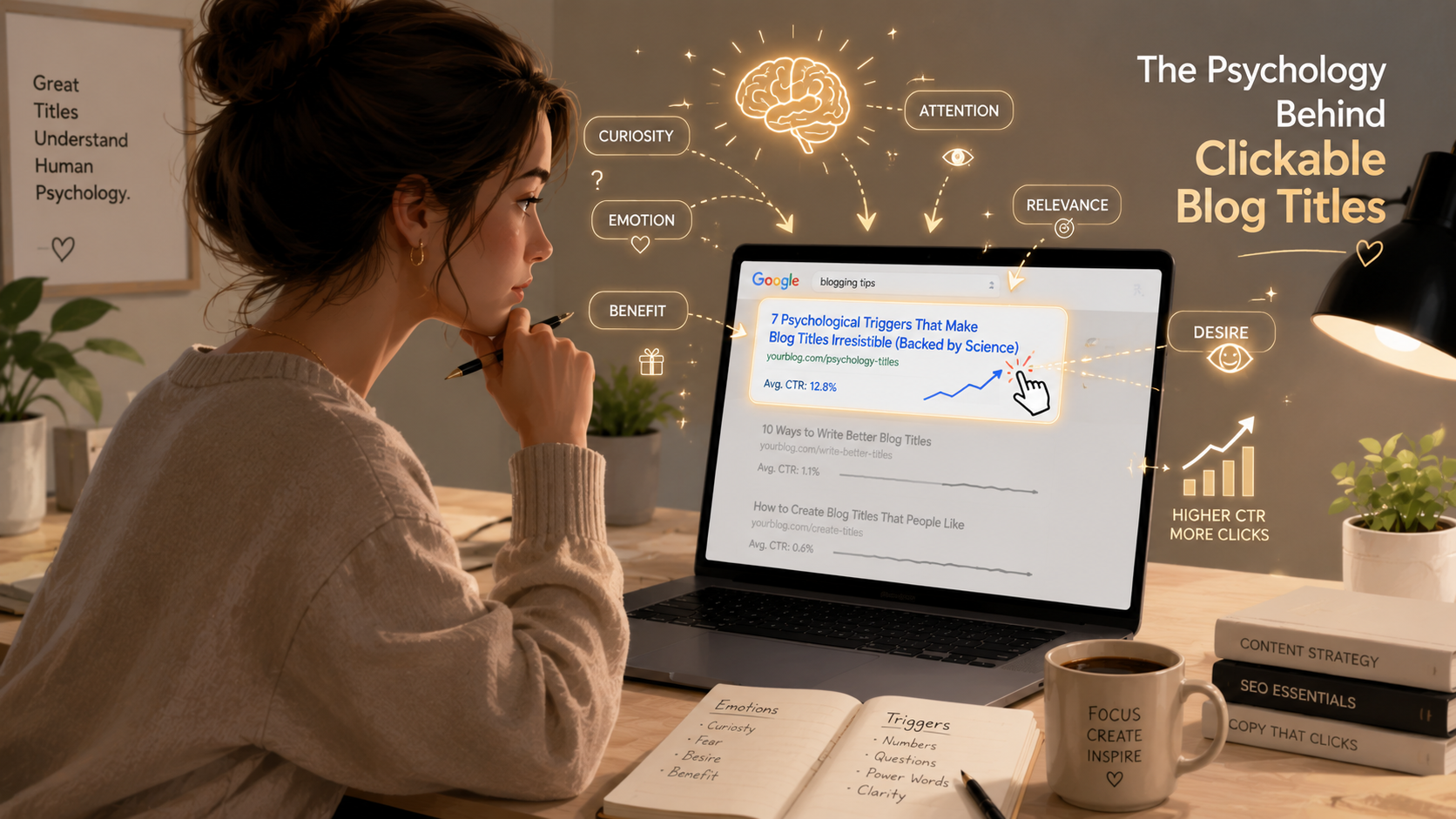
If you're trying to improve headlines without sounding sensational, you may find this useful:
https://climaxcreators.com/posts/the-psychology-behind-clickable-blog-titles-in-seo
The Psychology Behind Why People Stay
Have you ever searched for one thing online and somehow ended up reading article after article?
It happens more often than we'd like to admit.
You start with a simple question. One article answers part of it, but also introduces another interesting idea. You keep scrolling, click another heading, read another section, and before you realize it, twenty minutes have passed.
Good blogs create a similar experience.
Part of it is curiosity. Readers stay when they feel there's something useful waiting just ahead. A strong subheading or an interesting example gives them a reason to keep going.
And the other is simplicity. People don't leave because a topic is difficult. They leave when understanding it feels like hard work. Clear explanations, simple language, and good structure make reading feel effortless.
And then there are small rewards. A practical tip, a relatable example, or a new perspective. Every few paragraphs, the reader should feel like they gained something worth their time.
Think about a good teacher. Students stay engaged because each part of the lesson gives them something new to take away.
Blogs work the same way.
When readers keep finding value, they keep reading.
A Simple Case Study
Let's imagine two blogs covering the same topic:
"How to Start a Personal Blog."
Blog A
The introduction talks about the history of blogging.
The first heading appears 600 words later.
Paragraphs stretch across the page.
Examples are missing.
Readers leave quickly.
Blog B
The introduction starts with a relatable situation.
Headings appear frequently.
Examples make ideas easier to understand.
Internal links guide readers to related articles.
Readers stay longer.
The difference isn't expertise.
The difference is experience.
Blog B respects the reader's attention.
And attention is one of the most valuable things anyone can give you online.
What Analytics Are Really Trying To Tell You
Analytics can feel overwhelming when you first open it.
There are numbers everywhere. Bounce rate. Engagement time. Scroll depth. Exit pages.
At first glance, it feels like you're looking at a report card written in a language you don't fully understand.
But the interesting thing is that these numbers are rarely about numbers.
They're about people.
Imagine a teacher noticing that half the class seems distracted during a lesson. The teacher doesn't immediately conclude that the students are lazy or uninterested. Instead, they start looking for clues.
Was the explanation unclear?
Did the lesson move too quickly?
Was the topic confusing?
Or maybe everyone simply got lost at the same point.
Blog analytics work in a very similar way.
When readers leave your page quickly, the numbers don't tell you exactly what went wrong. They simply point towards places where something might need attention.
Maybe the introduction took too long to get to the point. Maybe the page loaded slowly on mobile. Maybe large blocks of text made the article feel overwhelming. Or maybe the content wasn't answering the question the reader originally came with.
The numbers themselves aren't the answer.
They're clues.
And like most clues, they become useful only when you connect them back to real human behaviour.
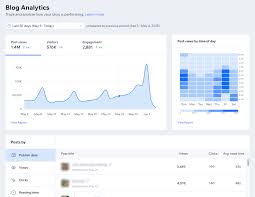
That's why tools like Google Analytics can be so valuable:
https://support.google.com/analytics
Not because they tell you everything, but because they help you understand what your readers are experiencing once they arrive on your blog.
At the end of the day, analytics isn't really about tracking pages, clicks, or percentages.
It's about understanding people a little better what holds their attention, what makes them leave, and what encourages them to stay.
Creating A Path Instead Of A Dead End
One thing I find interesting about museums is that they are designed to keep people exploring.
One exhibit naturally leads to another.
Visitors rarely stop after seeing just one thing.
Blogs can create the same experience.
Many articles end without giving readers a next step.
The article finishes.
The reader leaves.
The relationship ends there.
Internal linking changes that.
A reader interested in engagement may also be interested in:
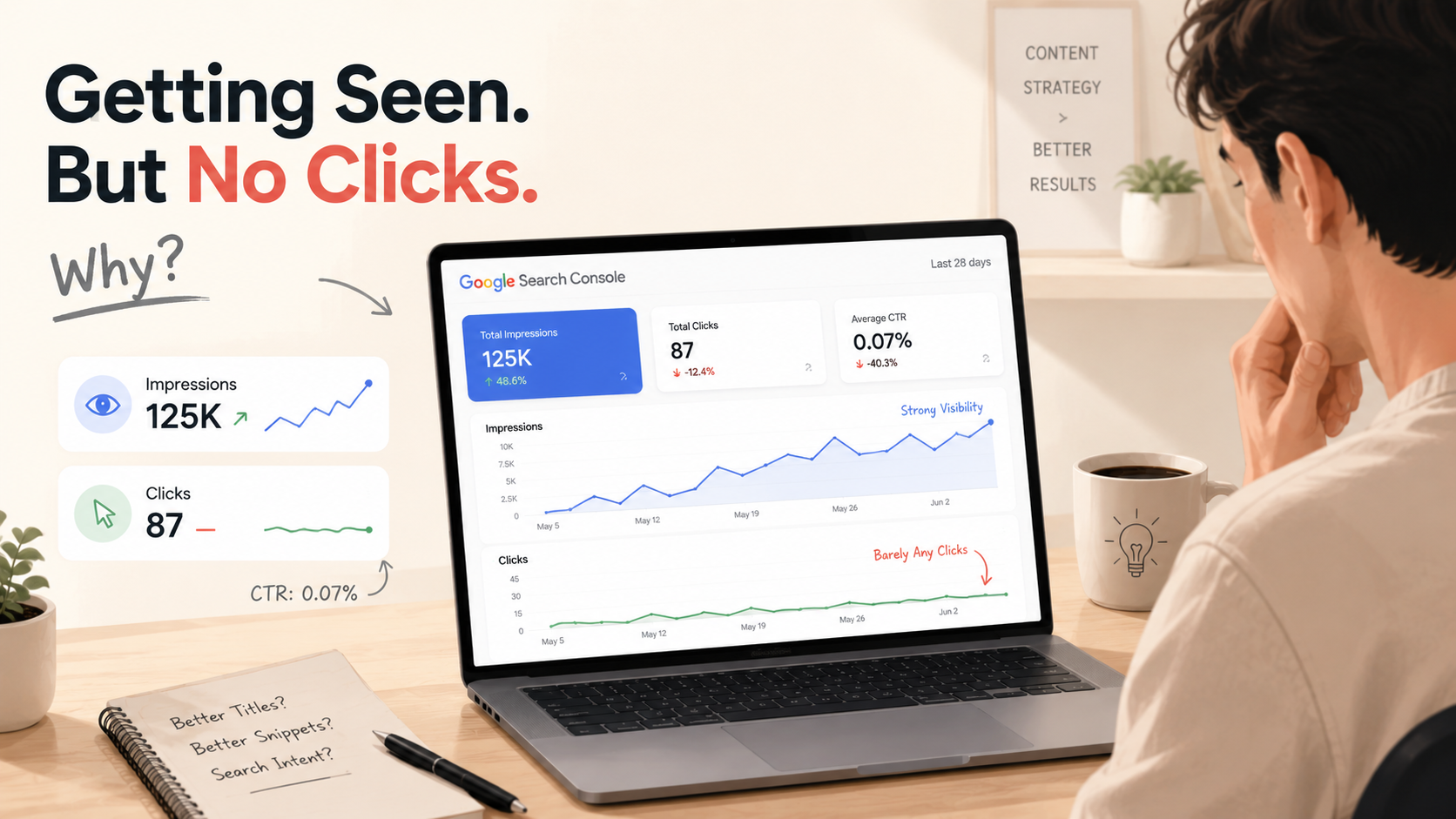
1) https://climaxcreators.com/posts/why-your-blog-posts-get-impressions-but-no-clicks-in-seo
2) https://climaxcreators.com/posts/internal-linking-in-seo-a-simple-guide-for-bloggers
3) https://climaxcreators.com/posts/why-your-blog-is-not-ranking-on-google-and-how-to-fix-it
These links aren't there to increase page views.
They're there to continue the conversation.
When done well, internal linking feels helpful rather than promotional.
Why Readers Leave Your Blog Is Usually Fixable
The encouraging part about engagement problems is that they're often easier to solve than traffic problems.
You don't always need more visitors.
Sometimes you simply need more of your existing visitors to stay.
A clearer introduction. A better mobile experience.
More breathing room between paragraphs, stronger examples and maybe more useful internal links
None of these changes are revolutionary on their own.
Together, they create a completely different reading experience.
And that's usually what readers respond to.
Not perfection.
Not clever marketing.
Not complicated SEO tactics.
Just an experience that feels helpful, trustworthy, and easy to follow.

Final Thoughts
Most bloggers spend a lot of time trying to get attention.
They focus on getting more traffic, improving rankings, and finding ways to bring more people to their website. But far fewer people think about what happens after someone actually arrives.
Because that is where real engagement begins.
Readers rarely leave because your ideas are bad. In fact, many blogs contain genuinely useful advice. The problem is that readers often leave before they ever reach the valuable part.
Sometimes the introduction takes too long to get to the point. Sometimes the page feels overwhelming because of large blocks of text. Sometimes the answer they were searching for seems buried under unnecessary information.
In each case, the issue is not the quality of the idea. It is the experience of finding it.
The good news is that these problems are usually easier to fix than most bloggers think.
A clearer heading can help readers understand where they are. A shorter paragraph can make a page feel less intimidating. A practical example can make an abstract idea suddenly click. Even something as simple as showing readers what to do next can keep them engaged for much longer.
None of these changes feel dramatic on their own.
But over time, they add up.
Because keeping readers on your blog is rarely about convincing them to stay. More often, it is about removing the small pieces of friction that quietly encourage them to leave.
When reading feels easy, useful, and worthwhile, people naturally keep going.
Frequently Asked Questions
Why do readers leave a blog within seconds?
The most common reasons include weak introductions, poor formatting, slow loading speeds, mobile usability issues, and content that doesn't immediately match the reader's expectations.
What is a good average engagement time?
It depends on content length, but generally, a few minutes of engagement on a long-form article is a positive sign that readers are consuming the content rather than skimming past it.
For additional reading on user behaviour online:
https://www.nngroup.com/articles/how-users-read-on-the-web/
Do images help keep readers engaged?
Yes. Images create visual breaks, improve readability, and help explain concepts more effectively. They also make long-form content feel less overwhelming.
Does bounce rate affect SEO?
Bounce rate itself is not a direct ranking factor, but the underlying reasons behind a high bounce rate such as poor user experience or weak search intent alignment can impact overall SEO performance.
Google's SEO Starter Guide:
https://developers.google.com/search/docs/fundamentals/seo-starter-guide
How can I improve engagement on my blog?
Focus on strong introductions, better formatting, useful examples, clear internal linking, mobile optimization, and content that answers the reader's question quickly and clearly.