Drug Development: Bridging Science and Patient Care

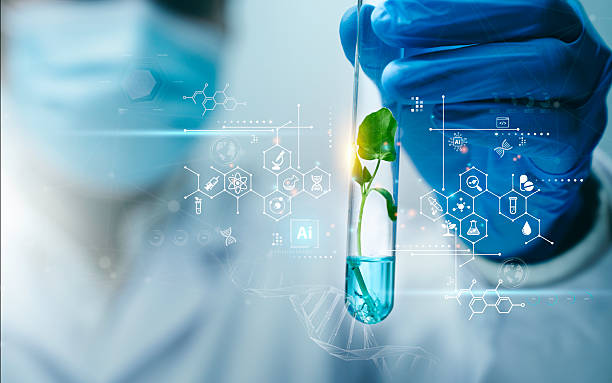
Drug development is the link between what happens in a lab and patient care. It turns things into medicines that really help people.
This process is crucial because it helps scientists find safe treatments that work well in human health. This begins with finding the factor that is making people sick. Then scientists try out things that might help. If these things work in the lab, they do tests with people. These tests make sure that the new medicine is safe, that the right amount is given, that it works, and that the side effects might occur.
Many people work together in drug development, including pharmacologists, researchers, physicians, regulatory authorities, and pharmaceutical companies.
https://www.scientificupdate.com/training_courses/molecule-to-medicine/
Drug Development: Understanding Pharmacokinetics and Pharmacodynamics
Drug development is a process to ensure that drugs are safe for people to use when they are sick.
This process is based on two ideas: pharmacokinetics and pharmacodynamics. These ideas help scientists understand what happens to a drug inside a person and how the human body reacts to the drug. The people who make these medicines use pharmacokinetics and pharmacodynamics to ensure the drug is safe and works well.
Pharmacokinetics is the exchange between the body and the drug.
It looks at how the drug moves through the body. The drug goes through four stages. These stages are absorption, distribution, metabolism, and excretion, which people call ''ADME'' for short.
The first stage is absorption. This is how the drug gets into the bloodstream. For example, when someone takes paracetamol by mouth, it must pass through the stomach and intestines before it enters the bloodstream. Some drugs get into the bloodstream quickly. Other drugs take time to get into the bloodstream. This depends on the patient's diet and how the drug is administered. Pharmacokinetics is the study of how the body responds to a drug.
The way a drug spreads through the body is called distribution. This is crucial because the medication has to reach the parts of the body where it can work effectively. For example, antibiotics like amoxicillin need to get to the infected areas of the body in sufficient amounts to fight off the bacteria.
When a drug is swallowed, it goes to the liver, where it is broken down. The liver has helpers called enzymes that change the drug into different forms. Some of these forms are active. Some are not. Codeine is an example of this. It gets changed into morphine in the liver, which helps to stop pain.
The body also has to get rid of drugs, which is called excretion. Usually, the kidneys do this job by removing the drug from the body in urine. People with kidney problems might need to take smaller amounts of a drug because their body cannot get rid of it fast enough. If the drug stays in the body for a long time, it can be harmful.
Pharmacodynamics is the opposite of pharmacokinetics. It is what the drug does to the body. It is the study of how drugs work by attaching to the body's cells, enzymes, or receptors. Pharmacodynamics: how a drug produces its effects on the body. The drug interacts with the body in ways that make something happen, like making the pain go away.
The Role of Clinical Trials in Drug Safety
In some areas, like cancer treatment, drug development is crucial. It helps create therapies. These therapies improve survival rates and quality of life. Each stage protects patients as long as several trials provide results from the treatment.
Many people work together in drug development, including pharmacologists, researchers, physicians, regulatory authorities, and pharmaceutical companies.
In some areas, like cancer treatment, drug development is crucial. It helps create therapies. These therapies improve survival rates and quality of life. Each stage protects patients as long as several trials provide results from the treatment.
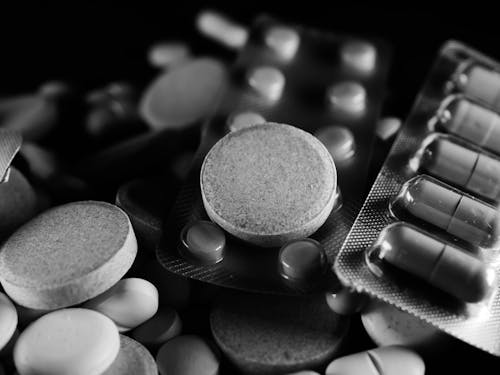
Once a drug proves effective in trials, regulatory authorities look at all the data before approving it. Authorities such as the U.S. Food and Drug Administration and the European Medicines Agency check the evidence that the medicine is safe for human use. Only after it is approved can the drug be. Even after a drug is on the market, monitoring continues. Scientists watch for long-term side effects: how it works in real life through post-marketing surveillance. This ensures they stay safe and helps with treatment plans. The drug and its safety are still being tracked. The U.S. Food and Drug Administration and the European Medicines Agency are still checking on the drug. They check if the drug is safe and if it works. The drug's safety and how well it works are still being checked. Monitoring the drug helps keep patients safe. It also helps doctors make treatment plans with the drug.
AI and the Future of Drug Discovery

Artificial intelligence is changing the way we discover drugs. This process used to take time, and it was very expensive. Now, artificial intelligence is making it faster and more efficient.
Artificial intelligence is helping scientists identify treatments for diseases by determining the underlying causes of illnesses and then searching for a target, such as a protein or a gene, to find the cure. This helps researchers find drug targets faster than they could before.
When we test drugs, artificial intelligence helps us select patients and figure out how their bodies will react to the drug. This makes the entire process more accurate and can reduce the chance of failure.
Artificial intelligence can even help us find uses for old drugs, such as in the COVID-19 pandemic. We still need people to decide on what's right and wrong. Artificial intelligence is a tool that helps researchers do their jobs better.
The future of finding the most effective drugs depends on humans and artificial intelligence working together. This will help us come up with ideas faster, save money, and get life-saving treatments to patients sooner.
https://climaxcreators.com/posts/myth-freelancing-is-easy-money-truth-revealed
https://climaxcreators.com/posts/empowering-patients-the-pharmacists-role-in-your-care