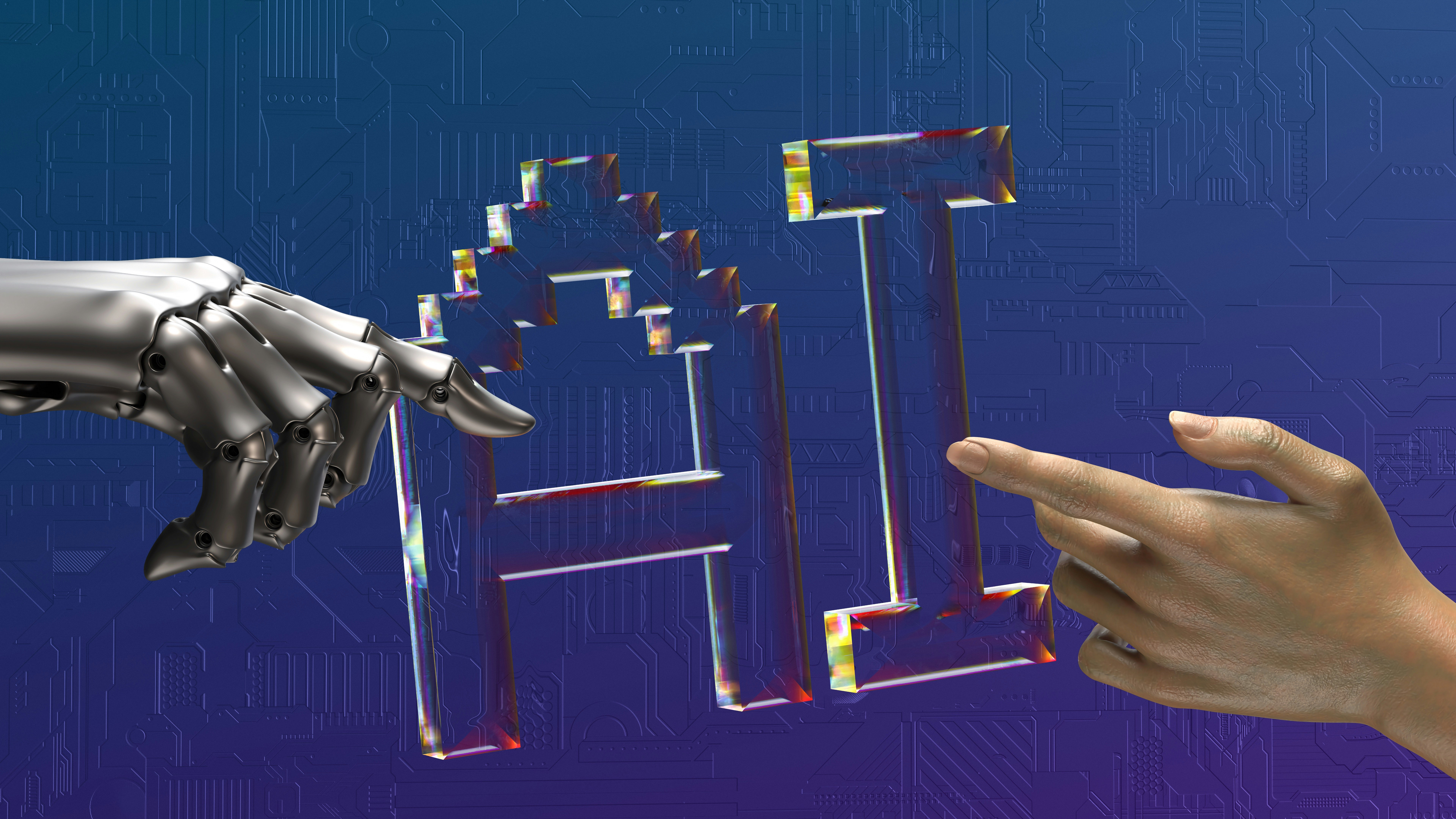
The conversation around artificial intelligence has shifted dramatically over the past few years. What once felt like a distant, futuristic concept is now embedded in everyday workflows. From drafting emails to analyzing data, AI tools are increasingly present across industries. But the real question isn’t whether AI will replace humans, it’s whether we are looking at it the wrong way.
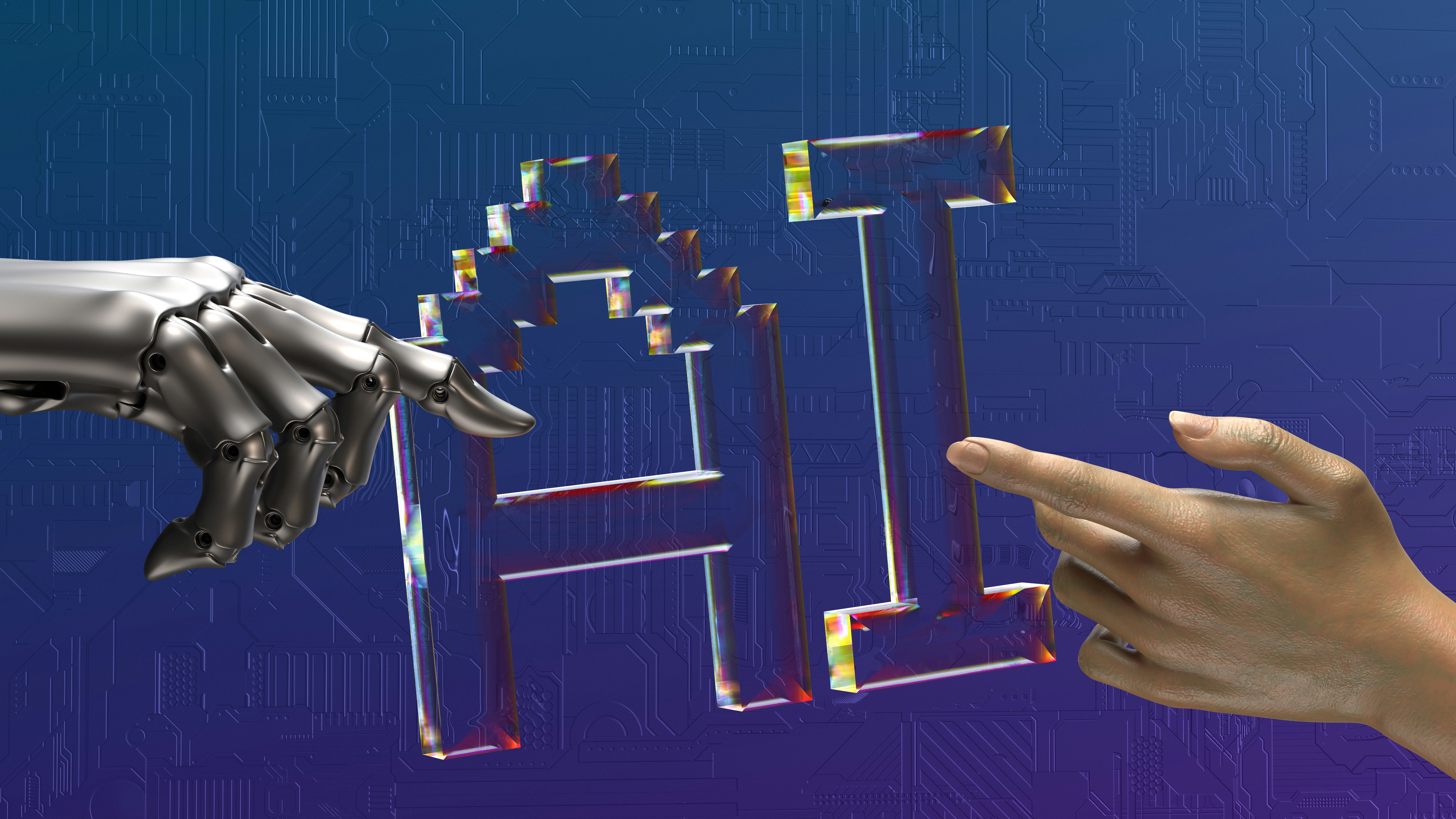
Instead of viewing AI as competition, it’s more accurate and far more useful to see AI as a coworker. This perspective reframes the narrative from fear to collaboration. When used thoughtfully, AI doesn’t take over jobs; it changes how work is done, often making it more efficient, creative, and meaningful.
Understanding AI as a Coworker
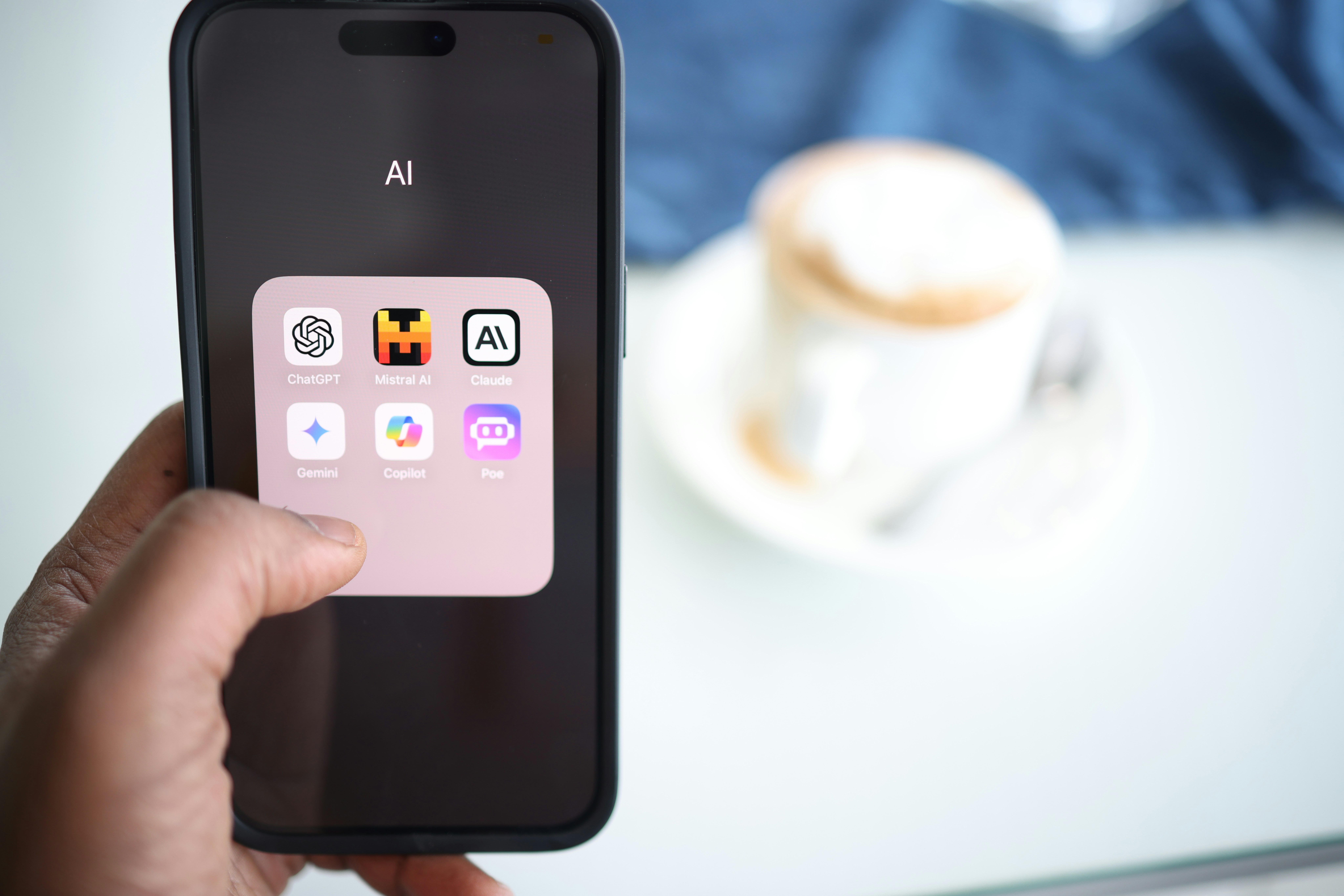
Treating AI as a coworker means recognizing its strengths and limitations, much like you would with a human colleague. AI excels at processing large volumes of data, identifying patterns, and automating repetitive tasks. However, it lacks emotional intelligence, ethical judgment, and contextual understanding that humans naturally bring.
Think of it like this: AI is the colleague who can work tirelessly on data-heavy tasks, while you focus on strategy, creativity, and decision-making. The collaboration becomes complementary rather than competitive.
A report by the World Economic Forum highlights that while automation may displace certain roles, it is also expected to create new opportunities that require human-AI collaboration. You can explore more about this evolving dynamic here: https://www.weforum.org.
How AI Enhances Workplace Productivity
One of the most immediate benefits of AI in the workplace is improved productivity. Tasks that once took hours like compiling reports, scheduling meetings, or sorting data; can now be completed in minutes.
For example, consider a junior associate working at a law firm. Earlier, legal research required manually scanning through multiple case laws and documents. Today, AI-powered tools can summarize relevant cases in seconds. This doesn’t eliminate the role of the associate; instead, it allows them to focus on interpreting the law and building arguments.
In a similar vein, content creators often use AI to generate drafts or brainstorm ideas. Rather than replacing creativity, AI acts as a starting point; something to build upon, refine, and personalize.

A Real-Life Perspective: From Resistance to Reliance
When AI tools first started becoming mainstream, many professionals resisted them. It felt like introducing something that might eventually make their skills obsolete.
Take the example of a marketing intern working in a small startup. Initially, they avoided using AI writing tools, believing it would dilute originality. However, over time, they began using AI for outlining blog structures and generating topic ideas. What changed was not their creativity, but their efficiency. Tasks that took an entire day could now be completed in a few hours, leaving more room for strategic thinking.
This shift from resistance to reliance is becoming increasingly common across industries.
Human Skills That AI Cannot Replace
While AI is powerful, it is not all-encompassing. There are certain human qualities that remain irreplaceable: Empathy, for instance, plays a critical role in professions like law, healthcare, and counseling. Understanding a client’s emotional state or a stakeholder’s concerns requires a level of sensitivity that AI simply does not possess.
Similarly, ethical reasoning and judgment are deeply human traits. AI can provide recommendations, but it cannot be held accountable for decisions. That responsibility still lies with humans.
Creativity, too, is more nuanced than generating content. While AI can mimic patterns, true originality often stems from lived experiences, cultural context, and personal insight.
Challenges in Human-AI Collaboration
Viewing AI as a coworker does not mean the transition is seamless. There are genuine challenges that organizations and individuals must address.
One major concern is over-reliance. When people depend too heavily on AI, there is a risk of losing critical thinking skills. It becomes easy to accept AI-generated outputs without questioning their accuracy or relevance.
Another challenge is trust. AI systems are not always transparent in how they arrive at conclusions. This “black box” nature can create hesitation, especially in high-stakes fields like law or finance.
Lastly, there is the issue of skill adaptation. As AI takes over routine tasks, professionals need to continuously upgrade their skills to stay relevant. This shift requires both willingness and access to learning opportunities.
Building a Healthy Working Relationship with AI
To truly benefit from AI as a coworker, the relationship needs to be balanced. It should be seen as a tool that supports not substitutes human effort.
A practical approach is to assign AI specific roles within your workflow. For instance, use AI for research, drafting, or data analysis, while keeping decision-making and final outputs human-led.
It also helps to question and refine AI outputs. Treat them as suggestions rather than final answers. This not only improves quality but also ensures that human judgment remains central.
The Future of Work: Collaboration Over Replacement
The future workplace is not about humans versus machines; it is about humans working alongside machines. Organizations that embrace this mindset are likely to be more adaptable and innovative.
In many ways, AI is reshaping job roles rather than eliminating them. New roles are emerging; AI trainers, prompt engineers, data ethicists, highlighting that the workforce is evolving, not disappearing.
For individuals, this means focusing on skills that complement AI rather than compete with it. Communication, adaptability, and critical thinking will become even more valuable in this new landscape.
A Personal Reflection
There’s something interesting about working with AI, it often feels like having a silent partner. It doesn’t get tired, doesn’t argue, and is always available. But at the same time, it doesn’t truly “understand” the work in the way a human does.
That realization changes how you interact with it. Instead of expecting perfection, you start using it as a support system. You guide it, refine it, and in many ways, teach it how to assist you better. Over time, the relationship becomes less about dependency and more about collaboration.
The narrative that AI will replace humans is not only oversimplified but also misleading. A more accurate and constructive perspective is to see AI as a coworker one that enhances efficiency, supports creativity, and reshapes how work is done.
The real opportunity lies in learning how to work with AI effectively. Those who adapt to this collaborative model will not only remain relevant but also thrive in an increasingly digital workplace. In the end, AI is not here to take your place. It’s here to change how you work and potentially, how well you work.