
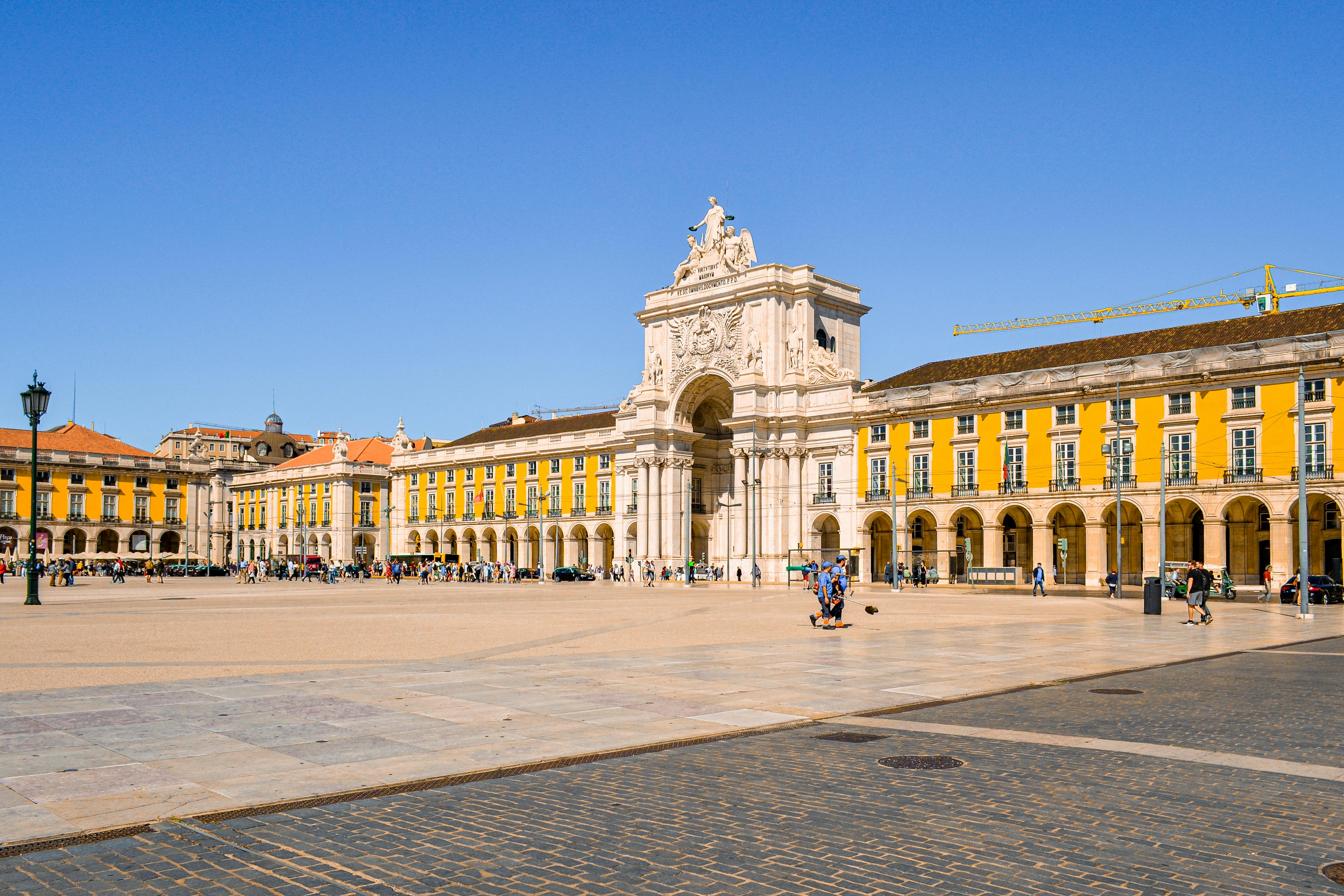
budget travel Portugal | cheapest destinations in Europe | Portugal travel on a budget
Three years ago, Portugal was the answer to almost every budget travel conversation. It was constantly described as the best budget destination in Europe for solo travelers.
Someone would ask where to go in Europe without spending a fortune and it came back immediately. Portugal. Always Portugal. Lisbon for the architecture and the hills and the pastéis de nata. Porto for the wine and the river and the tiles. The Algarve if you wanted beaches. The Alentejo if you wanted to genuinely disappear for a while.
I went for the first time two years ago, traveling alone with a tight budget and a very loose plan. I'm going back this autumn. So I've been thinking about this question a lot lately, specifically whether Portugal is still the budget destination it was, or whether it's quietly become another victim of its own reputation.
Here's my honest answer. It's complicated. But it's still yes.
Is Portugal Cheap for Tourists in 2025, or Has That Changed?
The short answer: cheaper than most of Western Europe. Still. That hasn't changed.
The longer answer is that it's less cheap than it was three years ago, and if you go in expecting the prices people were quoting in 2019 you're going to be mildly surprised. Lisbon in particular has changed. The city became a remote work destination during the pandemic, which drove up rents, which drove up accommodation costs, which drove up the cost of pretty much everything in the tourist areas.
A hostel dorm that cost twelve euros in 2019 is closer to twenty now. A glass of wine that was two euros is three or four. A pastel de nata in a tourist area is one fifty instead of one.
None of that makes Lisbon expensive. It makes it less of an outlier.
Step outside the tourist areas though and the numbers change immediately. I ate lunch at a local café in the Mouraria neighborhood, a prato do dia, which is a daily special that comes with a main, bread, a drink, and sometimes dessert, for seven euros. Seven. In a capital city. That still exists in Lisbon if you know where to look, which mostly means walking two streets away from wherever TripAdvisor is pointing you and trusting whatever place has handwritten menus and no photos outside.
What a Realistic Portugal Travel Budget Actually Looks Like
I want to give you real numbers here rather than vague reassurances, because vague reassurances are genuinely useless when you're trying to figure out how much to save.
On my first trip, traveling alone, staying in a mix of hostels and one budget guesthouse, eating well but not extravagantly, doing mostly free things with occasional paid attractions, I averaged fifty five euros a day in Lisbon. That covered accommodation, all food and drink, transport, and entrance fees.
In Porto it dropped. Around forty euros a day.
Porto is noticeably cheaper than Lisbon across almost every category. The accommodation is cheaper, the food is cheaper, and the wine is dramatically cheaper given that you're essentially sitting in the middle of wine country and the locals find it slightly embarrassing to charge you too much for it.
In the Alentejo, moving between small towns, some days I spent under thirty euros and felt like I'd eaten and drunk extremely well. There was one evening in a small town whose name I've since forgotten where I had a full dinner with half a carafe of local wine for eleven euros and genuinely sat for a minute afterward wondering if they'd made a mistake.
They hadn't. That's just what it costs there.
For context: the same trip in Paris would've cost me roughly double. Amsterdam, similar. Barcelona, somewhere in between. Portugal vs other European destinations on cost isn't a close comparison at the budget end of the market. It's not even the same conversation.
How Much Does a Trip to Portugal Actually Cost, Broken Down
Here's what the money actually went on, which is more useful than a daily average number sitting on its own.
Accommodation was the biggest variable. Hostel dorms ran eighteen to twenty five euros in Lisbon, less in Porto and outside the cities. Private rooms in budget guesthouses landed between forty and sixty euros. If you're traveling alone and comfortable with dorms, Portugal's hostel scene is genuinely good. High standard, social atmosphere, usually central. The ones I'd steer toward are slightly outside the main tourist areas. In Lisbon, hostels in Intendente, Mouraria, and Arroios are ten to fifteen minutes from the main sights and noticeably cheaper than the ones on Alfama hill or in Bairro Alto. Worth the walk.
Food is where budget travel Portugal really earns its reputation. The prato do dia culture means a proper cooked lunch with a drink costs six to nine euros almost anywhere that isn't directly on a tourist square. Dinner at a local tasca runs twelve to eighteen for a full meal with wine. The Mercado da Ribeira in Lisbon and the Bolhão Market in Porto are both better and cheaper than most restaurants nearby, which is the kind of thing that should be obvious but somehow still surprises people.
Transport within cities is cheap and works. A twenty four hour metro pass in Lisbon is around seven euros. Trains between Lisbon and Porto run twenty five to thirty booked in advance. Regional buses to smaller towns are inexpensive and generally reliable, which I say having used them and arrived somewhere I was trying to get to, which is the main thing you want from a bus.
Attractions skew toward the free end. The miradouros, street art, beaches, historic neighborhoods. All free. Museum entry is five to fifteen euros. The main cost surprise is Sintra, which adds up quickly once you factor in transport and palace entry fees. Budget an extra forty to fifty euros for a Sintra day and don't be caught off guard.
Cheap Eats in Portugal, Where the Value Actually Is
This deserves its own section because eating well cheaply is one of the genuine pleasures of budget travel in Portugal and it requires knowing a few things that nobody puts in the travel guides.
The prato do dia first. Almost every local café and restaurant offers one at lunchtime. It changes daily. It's almost always good. It's always cheap. If you eat your main meal at lunch using the prato do dia you can cut your food budget significantly without eating badly. I cannot overstate how much this one thing changed the economics of my trip.
Pastelarias are the other thing. Portuguese pastry shops sell coffee and pastries for almost nothing by Western European standards. A coffee and a pastel de nata in a local pastelaria, not a tourist café with a chalk sign outside, is under two euros. This matters because breakfast in a hotel café in a tourist area can easily cost eight to ten euros for the same quality. The difference is just whether there's a wooden interior and Portuguese being spoken around you.
Supermarkets are genuinely good in Portugal. Pingo Doce and Continente both sell prepared food, good bread, excellent cheese, tinned fish, and decent wine at prices that feel slightly unreal if you've been shopping in London or Paris recently. For a full breakdown of what things actually cost in Portugal right now, Numbeo's Portugal cost of living index gives real crowd-sourced price data updated regularly.
The tinned fish thing is worth expanding on because I went in skeptical and came out a convert. Portugal has elevated tinned sardines, mackerel, and tuna to something genuinely special. There are whole shops dedicated to beautiful tins with illustrated labels that cost two to four euros and make a better lunch than most things you'd pay fifteen euros for in a tourist restaurant. I brought six tins home. I'd have brought more if I'd thought about luggage weight earlier.
Affordable Accommodation in Portugal, What Actually Works
Portugal's hostel scene is legitimately one of the best in Europe. Lisbon in particular has some of the most consistently well-reviewed hostels on the continent, places with rooftop bars and organised dinners and atmospheres that make traveling alone easier in a way that's hard to manufacture and easy to appreciate.
Guesthouses and pensões are the next tier up. Family-run, usually central, often excellent value. Private room, sometimes a shared bathroom, occasionally breakfast, forty to sixty euros in Lisbon. That's competitive for a capital city in Western Europe and often the better choice if you want quiet and privacy without paying hotel prices.
Portugal off season travel is the accommodation lever most people don't pull when they should. Prices in Lisbon and the Algarve drop significantly between November and February. The weather in Lisbon in winter is mild by Northern European standards, cool and occasionally rainy but genuinely not cold, and the city is noticeably quieter and more itself without the summer crowds.
I went in late October and it was, genuinely, the best version of Lisbon I've seen. The light was different. The streets were walkable. The locals were visible again. If you have any flexibility on timing, the shoulder season is not a compromise. It's the better trip.
Portugal vs Other European Destinations on Cost
People often ask whether there are cheaper alternatives now that Portugal's prices have risen. There are, but with tradeoffs worth being honest about.
Albania and North Macedonia are cheaper, significantly. But the infrastructure for independent travel is less developed and the tourist industry is less experienced at handling solo travelers who show up without a tour group.
Romania and Bulgaria are cheaper and have genuinely interesting things to offer. But they don't have Portugal's coastline, food culture, weather, or the kind of established solo travel infrastructure that makes arriving somewhere alone and figuring it out feel easy rather than stressful.
Georgia, in the Caucasus, is arguably the best value destination for European travelers right now. But if you're weighing up destinations specifically for your mental health and emotional headspace, this guide on the best destinations for emotional healing breaks that down differently.
Portugal wins the comparison not because it's the cheapest but because it delivers the most at its price point. The food is excellent. The weather is reliable. The infrastructure for independent travel is exceptional. The people are generally kind to solo travelers in a way that doesn't feel performed. And it's beautiful in a way that doesn't require effort or context to appreciate. You just arrive and it's immediately, obviously beautiful.
Is Portugal Still Worth It for Budget Travelers in 2025
Yes. Straightforwardly yes.
It's not the bargain it was in 2018 and pretending otherwise would be dishonest. Prices are up, the tourist areas are more crowded, and some of the scrappy charm of the cheaper neighborhoods has been smoothed out by gentrification, which is happening in every city that becomes popular and is nobody's favourite thing to acknowledge.
But compare it to the rest of Western Europe and Portugal still wins easily. The cost of living for travelers remains significantly lower than France, Spain, Italy, Germany, or the Netherlands. The food quality to price ratio is better than almost anywhere on the continent. The accommodation is good value. The transport is cheap.
And then there's the stuff that doesn't change regardless of what things cost. The light in Lisbon at four in the afternoon. The fado coming from a window you can't quite locate. The view from a miradouro at dusk with a glass of wine that cost two euros. The tiles. The Atlantic at the end of every long walk.
Portugal got more expensive. It stayed worth it.
Final Takeaway
If you're planning your first solo trip to Europe on a budget, Portugal is still the answer.
Go in the shoulder season if you can, October or March. Eat the prato do dia at lunch. Stay in a hostel slightly outside the tourist area. Take the train to Porto for a few days. Go to the Alentejo if you want to understand what Portugal was before everyone discovered it and started writing articles about it.
You'll spend less than you would almost anywhere else in Western Europe. You'll eat better than you have any right to expect at that price. And you'll probably start thinking about going back before you've even finished the trip.
If you're figuring out where to go for your first solo trip in Europe, this beginner's guide to solo travel has everything you need to start planning.
Already been to Portugal, or planning your first trip? Drop a comment below and tell me where you went, what surprised you about the cost, and whether you'd go back. I read every one and I'm always looking for the places I haven't found yet.
Frequently Asked Questions About Budget Travel in Portugal
Is Portugal cheap for tourists in 2025?
Yes, significantly cheaper than most of Western Europe. Prices have risen since 2019, particularly in Lisbon, but Portugal still offers excellent value across accommodation, food, and transport compared to France, Spain, Italy, and Germany.
How much does a trip to Portugal cost per day?
Budget travelers can get by on fifty to sixty euros a day in Lisbon covering accommodation, food, transport, and attractions. Porto and rural areas run lower, around thirty to forty euros a day.
Is Porto cheaper than Lisbon?
Yes, noticeably. Accommodation, food, and drink are all cheaper in Porto, and it's widely considered the better value of the two cities for budget travelers.
When is the cheapest time to visit Portugal?
November through February offers the lowest accommodation prices and smallest crowds. Lisbon's winter weather is mild compared to Northern Europe, making it a genuinely good off season destination.
Is Portugal good for solo budget travel?
Excellent. Strong hostel infrastructure, safe cities, good public transport, and a food culture built around affordable local eating make Portugal one of the most solo travel friendly budget destinations in Europe.