

how to find budget accommodation | cheap accommodation for travelers | best ways to save on accommodation
Accommodation is usually the biggest daily cost in travel. It's also the one with the most room to maneuver.
Flights have a floor. Transport has a floor. But how to find budget accommodation is genuinely a skill, and travelers who've developed it spend significantly less per night than those who default to whatever comes up first in a search.
Guides on how to find cheap accommodation usually come back to the same idea that smarter booking habits matter more than simply searching for the lowest price.
The difference isn't always about staying somewhere worse. It's about knowing where to look, when to book, and which formats give the best value for different trips.
This is a numbered guide to the best ways to find budget accommodation, ordered by how broadly applicable each approach is across different travel styles, destinations, and budgets.
1. Use the Right Platforms for the Right Accommodation Type
The most impactful thing any budget traveler can do is stop using one platform for everything.
Most travelers default to Booking.com or Airbnb for all accommodation searches. Both are useful. Neither is the best option for every type of affordable accommodation, and using the wrong platform consistently produces worse results. Not slightly worse. Meaningfully worse, in price and in information quality.
For hostels: Hostelworld is the most reliable platform. Reviews are written by solo travelers for solo travelers and cover the things that actually matter, social atmosphere, real wifi quality, noise levels, locker size. Booking.com lists hostels but the reviews get mixed in with hotel reviews and lose specificity fast.
For budget hotels and guesthouses: Booking.com has the widest inventory and most competitive pricing in this category. The free cancellation filter is worth using specifically for price monitoring, booking early with free cancellation and rebooking if the price drops.
For apartments and longer stays: Airbnb is strongest for stays of a week or more. For anything under a week in a city with a decent hostel scene, a private hostel room often comes in at a similar or lower price with fewer fees attached.
For local guesthouses in Asia and Latin America: Agoda regularly surfaces properties that don't appear on Western-centric platforms, at lower prices. Worth checking alongside Booking.com for any Asian destination.
Checking two or three platforms before booking takes five minutes. It regularly produces meaningfully different prices for the same property or equivalent alternatives. That five minutes compounds significantly over a trip.

2. Master the Timing of Booking
Booking timing is one of the most reliable levers for how to find budget accommodation at lower prices. And the optimal timing is counterintuitive in ways most travelers don't know until they've gotten it wrong a few times.
Book early for peak season.
December to February in the Southern Hemisphere. June to August in Europe and North America. In these windows, the best budget accommodation gets booked weeks or months ahead. Waiting produces higher prices and reduced availability. The hostel dorm that was thirty dollars six weeks ago is forty-five in the last week and fully booked the day before.
Book last minute for shoulder and low season.
Outside peak periods, accommodation fills more slowly and properties reduce prices to fill beds. Booking within forty-eight to seventy-two hours of arrival in shoulder season regularly produces prices fifteen to thirty percent lower than advance booking at the same property. This requires flexibility, but for travelers who have it, the saving is consistent.
Use the free cancellation strategy.
Book the best available rate with free cancellation as early as possible. Check the price weekly. If it drops, cancel and rebook at the lower rate. Most platforms, Booking.com in particular, allow this without penalty up to the cancellation deadline. It's not a loophole. It's just using the system as it was built.
Avoid arrival nights.
The first night in a new city, particularly a major hub, is almost always the most expensive. Arriving on a Tuesday rather than a Friday regularly produces lower prices for the same property. Weekend arrival nights carry a premium that midweek arrivals don't. This is a small thing that adds up across a trip.
3. Consider Hostels Even if You've Never Stayed in One
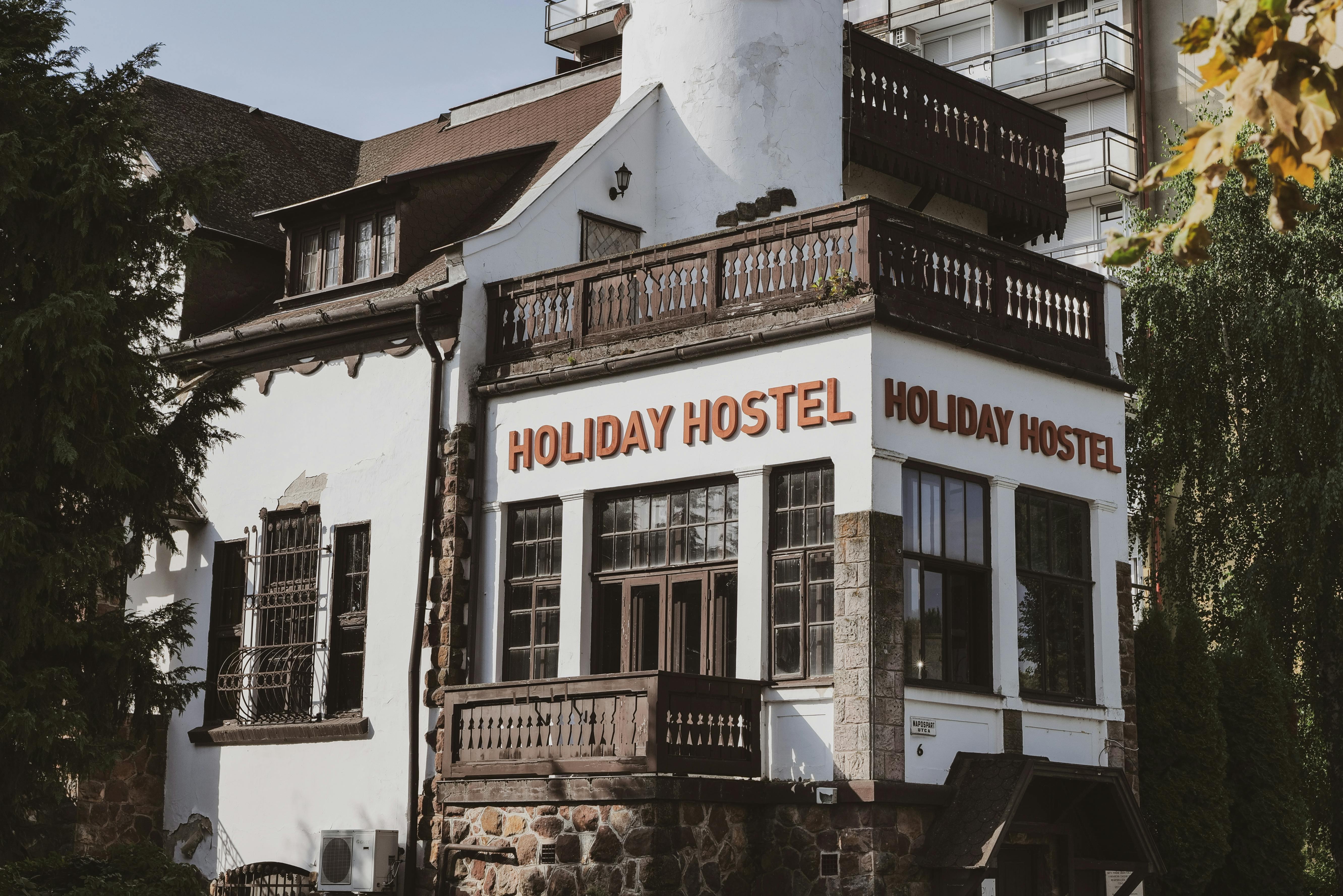
For solo travelers specifically, hostels are the most consistently undervalued form of cheap accommodation for travelers. The hesitation most first-timers have is usually based on an outdated picture of what hostels actually are.
Modern hostels in most major destinations are well-designed, well-maintained, and built around making solo travel easier rather than just cheaper. Dorm beds come with reading lights, power points, privacy curtains, secure lockers. Common areas are social without being obligatory. Staff are often travelers themselves and are frequently the most useful source of local information available, better than any review site.
Hostel booking tips that actually change outcomes:
- Filter for free breakfast. The saving is real and the morning meal is often good enough to replace a café stop entirely.
- Read reviews specifically for noise. "Great location" with three noise complaints buried in the reviews is a noisy hostel. Use that information.
- Look for hostels with communal kitchens. Self-catering one meal a day cuts daily food costs more than most people expect.
- Check the dorm size. A four-bed dorm is a completely different experience from a sixteen-bed dorm. Both get listed as dorms. The price difference is small. The sleep quality difference isn't.
- Book directly with the hostel after finding it on Hostelworld. Many offer a small discount for direct bookings that bypasses the platform fee. Worth asking every time.
For budget accommodation tips for solo travelers, hostels offer the strongest combination of low cost, social opportunity, and practical infrastructure of any format available. They've earned the recommendation.
4. Look Into House Sitting Travel
House sitting is the most underused free accommodation option in travel. And the one with the highest upside for travelers with flexibility on timing and destination.
The model is simple. Homeowners who need their property looked after while they're away list their homes on platforms like TrustedHousesitters, HouseCarers, or Mindmyhouse. Travelers apply to stay in exchange for looking after the property, usually including pets. The accommodation is free. The homeowner gets peace of mind.
The catch, worth stating clearly upfront: good house sits in desirable locations are competitive. Building a profile takes time. First sits are harder to secure than subsequent ones because the track record isn't there yet. It's not a system that produces results immediately.
The practical path for anyone starting out:
- Build a complete, detailed profile with photos and references before applying for anything
- Apply for sits in less competitive locations first to build reviews
- Be realistic about the commitment, house sitting involves genuine responsibility for someone's home and pets, not just a free place to sleep
- Use the free cancellation window on paid accommodation as a backup while waiting on sit applications
For travelers who make it work, house sitting travel produces weeks or months of free accommodation in private homes in places that would otherwise cost significant money. The investment is time upfront building the profile. The return is accommodation cost reduction that's genuinely hard to match through any other method.
5. Use Couchsurfing and Home Exchange Strategically
Couchsurfing and home exchange are two distinct models that both produce free or near-free accommodation. Different use cases, different requirements, both worth understanding.
Couchsurfing
Connects travelers with locals who offer a spare couch or room at no cost. The platform has changed since its founding. Paid membership is now required. The community is smaller than it was at its peak. But for travelers willing to engage genuinely with the social aspect of it, it still produces free accommodation and connections with locals that no paid option comes close to replicating.
The thing most unsuccessful Couchsurfing users miss: it's a social platform, not a booking platform. Generic copy-paste requests get ignored. Personalised, specific messages that show genuine interest in the host and their city get responses. Building a complete profile, writing real requests, engaging with the local community in each destination, that's what produces results.
Home exchange
Travelers swap homes with someone in a destination they want to visit, either simultaneously or through a points system on platforms like HomeExchange or Love Home Swap. The model suits travelers who own or rent a property worth exchanging, typically families or established professionals. It produces accommodation at the cost of the platform membership rather than nightly rates.
For budget accommodation tips for solo travelers who are newer to travel, Couchsurfing is the more accessible option. For travelers with property and longer planning windows, home exchange produces better value at a higher tier of accommodation than most comparable budget alternatives.
6. Book Accommodation Last Minute With the Right Apps
Booking accommodation last minute is a genuine strategy. Outside peak season and in destinations with high accommodation supply, it consistently produces lower prices than booking in advance.
The platforms worth knowing:
HotelTonight specialises in same-day and next-day hotel bookings at reduced rates. Properties list unsold inventory at significant discounts in the final twenty-four to forty-eight hours. The selection in major cities is consistently good. The discounts on four and five-star properties make this particularly useful for travelers who want occasional comfort at budget prices.
Booking.com's Last Minute Deals filter surfaces properties actively discounting to fill beds. Setting price alerts for specific destinations and dates means the notification arrives when a property drops into the target budget rather than requiring constant manual checking.
Hostelworld's availability search for the next few nights often reveals beds in well-reviewed hostels that appeared fully booked weeks out. Properties hold back inventory and release it closer to the date as they assess their booking pace. Worth checking again twenty-four to forty-eight hours before arrival even if it looked unavailable earlier.
The risk is real and worth being clear about. In peak season or destinations with genuinely limited supply, last-minute booking produces higher prices and restricted options. The strategy works when supply exceeds demand. Knowing which situation applies to the specific destination and timing is the most important variable in whether it works.
7. Use Loyalty Programs Even at the Budget End of the Market
Loyalty programs for budget travelers are underused because most people assume they're built for business travelers staying in expensive hotels. That assumption misses significant value that's sitting there unclaimed.
Hostelworld Rewards accumulates points on every booking that translate to discounts on future stays. For frequent hostel users, the discount compounds meaningfully over a year of travel.
Booking.com Genius is a tiered loyalty program that unlocks discounts, free breakfast, and room upgrades at participating properties after a modest booking threshold. The discounts at Genius Level 2 and 3 are applied automatically and consistently produce savings on budget hotels and guesthouses that would otherwise require negotiation.
IHG, Marriott, and Hilton programs are worth joining even for infrequent stays at their budget-tier properties. Holiday Inn Express, Fairfield, Hampton Inn. Points accumulate slowly at budget properties but don't expire if the account stays active. Redemption nights at budget properties require fewer points than equivalent nights at full-service hotels, which is the part most people don't realise.
The practical approach is to consolidate bookings onto one or two platforms rather than spreading across five. The programs reward volume. Splitting bookings to find the absolute lowest price on each individual booking costs more in foregone loyalty benefits than the small price differences it saves. Over a year of frequent travel, that trade-off is clearly wrong.

8. Negotiate Directly With Properties for Long Stays
For stays of a week or more in one location, direct negotiation with the property produces better rates more often than most travelers expect. And most travelers never try it.
The mechanism is simple. Properties pay platform fees of fifteen to twenty-five percent on every booking made through Booking.com, Hostelworld, or Airbnb. A direct booking costs the property nothing in commission. That saving is available to share with the traveler as a discount, and most independently run properties will do so when asked directly and professionally.
How to approach it:
- Find the property through the platform in the normal way
- Note the nightly rate listed
- Contact the property directly by email before booking through the platform
- State the intended length of stay and ask whether a direct booking rate is available
- Most budget guesthouses, small hotels, and family-run properties will offer five to fifteen percent off for direct bookings of a week or more
This works best at independently run properties. Chain hotels and large hostels have standardised pricing that front desk staff can't override. Small guesthouses, family-run hotels, independent hostels, they have the flexibility and the motivation to deal directly. It takes one email to find out. Most travelers never send it.
For slow travelers spending a week or more in each location, direct negotiation is one of the most reliable ways to save on accommodation without compromising on quality or where you're staying.
Final Takeaway
The best ways to find budget accommodation aren't secrets. They're habits.
Using the right platform for the accommodation type. Timing the booking to the season. Understanding hostels properly before dismissing them. Exploring house sitting or Couchsurfing if the travel style suits it. Knowing when last-minute booking works and when it doesn't. Building loyalty on fewer platforms rather than spreading across many. Negotiating directly for longer stays.
None of these require more money. They require more information and slightly more planning than the default approach of searching once, booking the first reasonable option, and moving on.
The travelers who consistently find affordable places to stay while traveling aren't luckier. They're just using a different process. And the process is learnable.
If you're planning your first solo trip and want practical advice on traveling well for less, check out the solo travel beginner's guide on Climax Creators.