best destinations for emotional healing | slow travel and emotional wellbeing | nature travel mental health benefits
Not every solo trip or traveling alone does the same thing to you emotionally.
A week moving fast through a major European city, museums, restaurants, rooftop bars, six neighborhoods in four days, is a particular kind of experience. It's stimulating, it's full, it gives you a lot to think about. But it doesn't necessarily give you a lot of room to feel anything.
A week in a small coastal town with one good café and a beach and nowhere particular to be does something else entirely.
The destination matters. The environment matters. And yet most travel advice treats emotional wellbeing as a fixed outcome of traveling rather than something that varies significantly depending on where you go and how you move through it.
This is an attempt to look at that more honestly. Which types of destinations actually support emotional processing, which ones don't, and why the difference is worth paying attention to when choosing where to go.
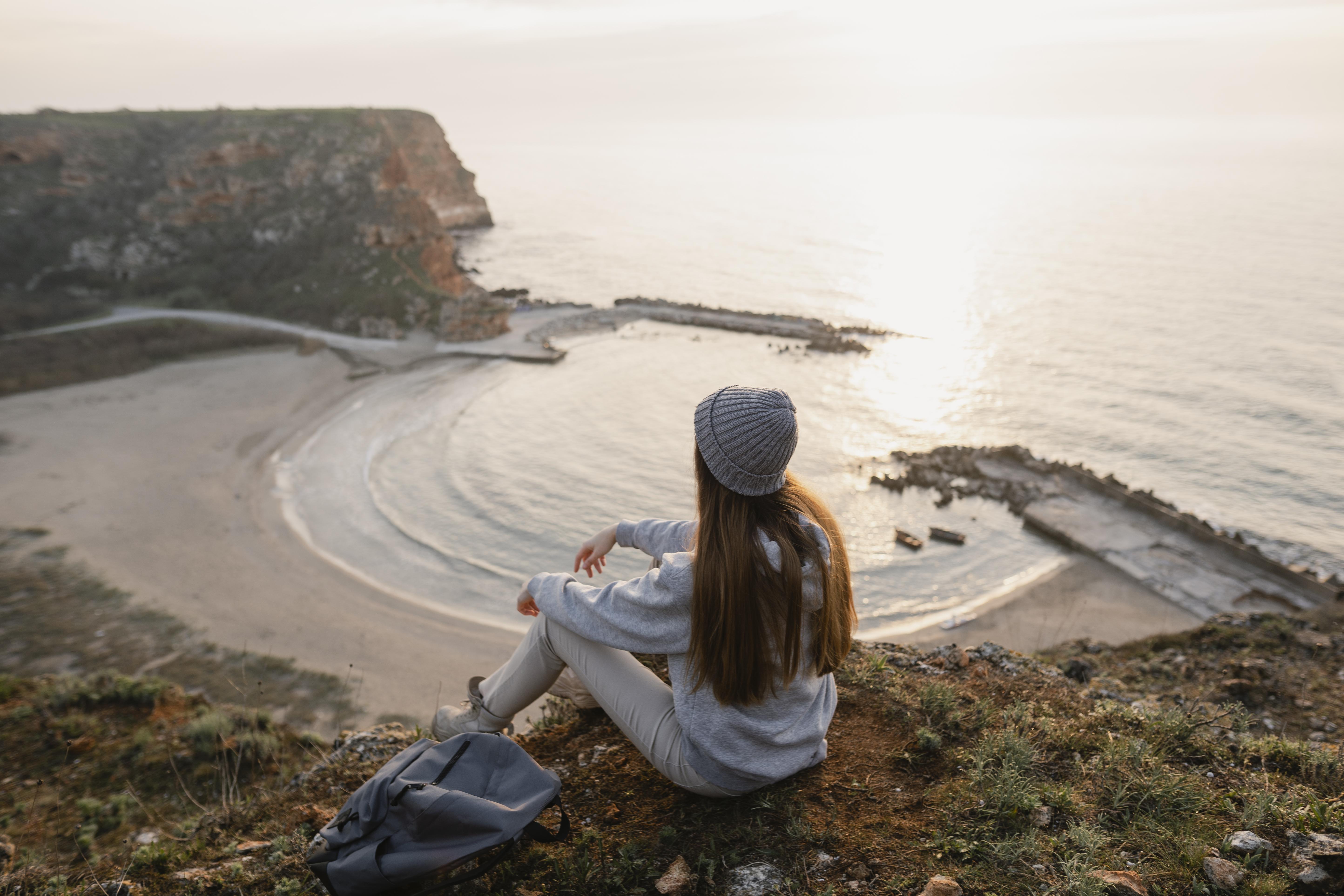
First, Why Does the Environment Even Matter?
Before getting into the destinations, it's worth understanding the mechanism.
Emotional processing requires two things that are genuinely hard to find in daily life: mental space and reduced external demand.
When the brain is occupied with high levels of stimulation, noise, navigation, social obligation, decision-making, it doesn't have the bandwidth to do the quieter internal work that emotional processing involves.
This is why a packed city itinerary can feel like an escape without actually functioning like one. The distraction is real, but so is the cost. You come home having seen a lot of things and feeling, in some ways, more depleted than when you left.
Environments that support emotional wellbeing tend to share a few characteristics. They're lower in sensory overwhelm. They offer natural elements like water, green space, and open sky, all of which have documented effects on cortisol levels and nervous system regulation. They move at a pace that allows genuine rest rather than just a change of scenery.
With that in mind, here are the five environment types that consistently support the best solo travel mental health outcomes, and the specific destinations worth considering within each.
1. Coastal Towns — The Mental Health Benefits of Traveling Near Water
There's a reason so many people describe feeling calmer near water. It's not entirely poetic.
Research into what's sometimes called "blue space," environments involving water, consistently shows measurable effects on stress, anxiety, and overall mood. The sound of waves activates the parasympathetic nervous system, the part responsible for rest and recovery. The visual quality of open water, the sense of scale and distance, seems to create psychological space in a way that enclosed urban environments simply don't.
For solo travelers specifically, coastal towns offer something additional: a pace that's slower by default. There's less pressure to fill time when the environment itself is the activity. Sitting on a beach, walking along a coastline, eating somewhere the food comes slowly and nobody's rushing you out, these aren't just pleasant experiences. They're the kind of unstructured time in which emotional processing tends to naturally occur.
Best coastal destinations for anxiety relief and solo travel mental health:
Portugal's Alentejo Coast sits largely outside the tourist circuit and offers long stretches of undeveloped coastline, small fishing villages, and a pace that makes most other European destinations feel frenetic by comparison. It's the kind of place where slowing down isn't a choice so much as an inevitability.
Amalfi Coast, Italy carries a reputation for romance and group travel, but off-season, particularly October and November, the smaller towns empty out significantly. What remains is genuinely beautiful and genuinely quiet.
Essaouira, Morocco is a walled coastal city that functions as a natural decompression chamber after the sensory intensity of Marrakech. The wind is constant, the streets are navigable, and the pace is slow enough to actually feel like rest.
If you're planning a coastal solo trip and want a practical starting point, this beginner's guide to solo travel covers the basics of traveling alone for the first time.
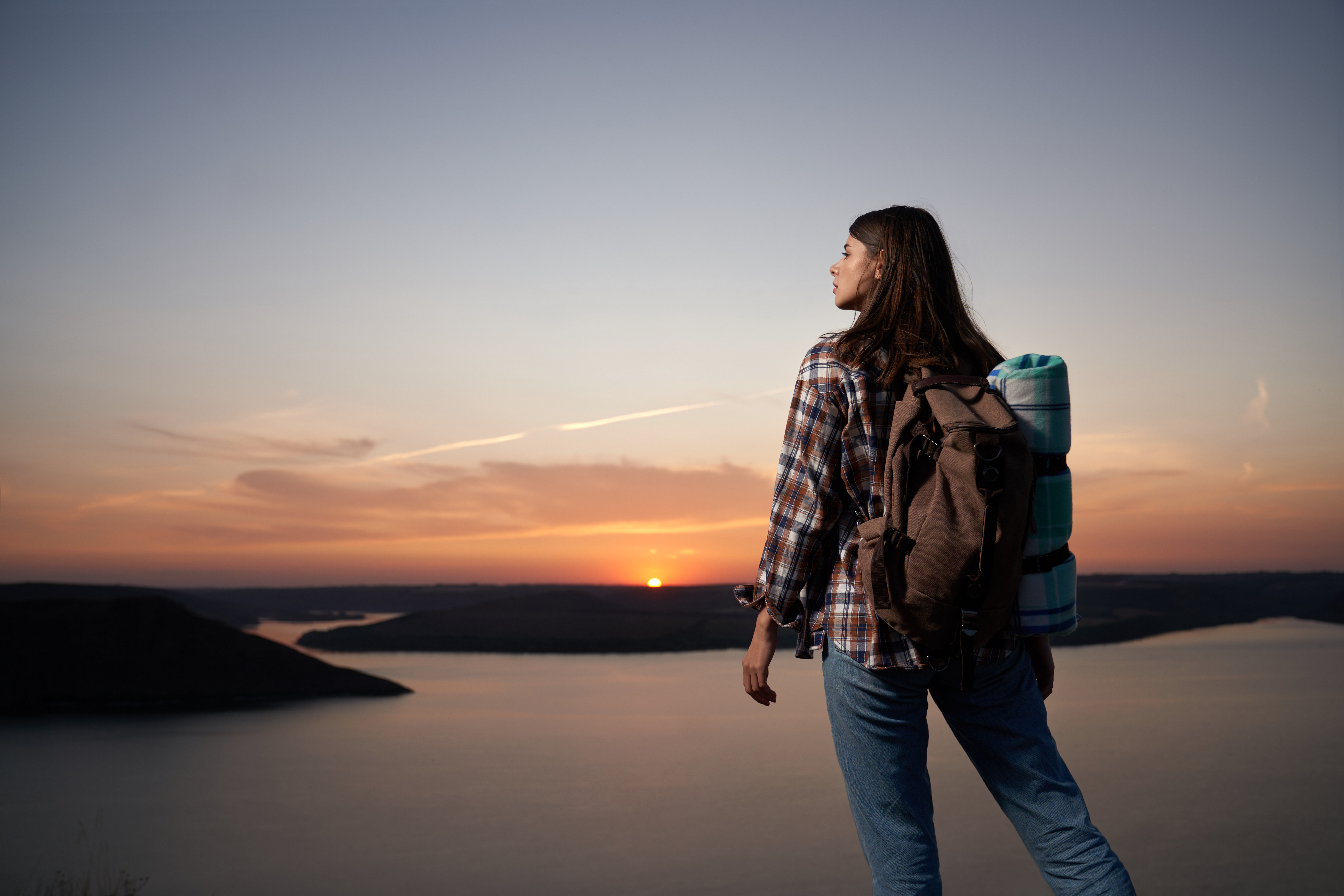
2. Slow Cities — The Case for Going Somewhere Smaller
The slow travel movement has been growing for years, and the mental health argument for it is stronger than the movement's occasionally precious framing might suggest.
Slow cities tend to offer the conditions most favorable to emotional wellbeing. Walkable streets. Local rhythms rather than tourist schedules. Fewer decisions required. More time with fewer things.
For solo travelers dealing with stress, burnout, or emotional difficulty, the argument for choosing a smaller destination over a major capital is essentially this: big cities require a lot of you. They demand navigation, decision-making, sensory processing, social awareness. All of that has value, but it leaves less capacity for the internal work that travel can facilitate when the conditions are right.
Best slow cities for solo travel mental health and emotional healing:
Ghent, Belgium sits in the shadow of Brussels and Bruges and is consistently overlooked as a result. It's compact, walkable, architecturally beautiful, and has a pace that makes it genuinely easy to be in without an agenda. The canal system means there's almost always somewhere to sit and watch the water.
Chiang Mai, Thailand has developed a significant community of solo travelers and digital nomads, which means the infrastructure for being alone without feeling isolated is well-established. The old city is navigable on foot, the café culture is strong, and the surrounding mountains and temples offer the kind of contemplative environment that supports reflection.
Bologna, Italy is a university city that moves at a human pace. The arcaded streets mean you're rarely caught in the elements, the food culture rewards slow eating, and the lack of a major landmark means it attracts fewer tourists chasing a checklist.
3. Nature and Mountains — What Happens When You Remove Urban Stimulation Entirely
The research on nature and mental health is among the most consistent in environmental psychology.
Time spent in natural environments, particularly green spaces, forests, and mountain landscapes, measurably reduces cortisol levels, lowers blood pressure, and improves mood in ways that urban environments don't replicate.
For solo travel and emotional processing specifically, natural environments offer something that cities simply can't: genuine silence. Not the absence of noise exactly, but the absence of human-generated demand. A forest doesn't require anything from you. A mountain doesn't need you to navigate it efficiently or perform for it.
The lack of social expectation in natural environments creates the conditions for a particular kind of honesty with yourself that's hard to access elsewhere. This is why hiking, slow walking in nature, and wilderness travel show up so consistently in accounts of healing travel experiences. It's not mysticism. It's what happens when you remove most external stimulation and leave someone alone with their thoughts for long enough.
Best natural destinations for nature travel mental health benefits:
The Azores, Portugal — nine volcanic islands in the Atlantic — offer landscapes dramatic enough to create genuine awe and remote enough to enforce genuine quiet. The combination of ocean, volcanic terrain, and minimal tourist infrastructure makes them one of the more compelling digital detox travel destinations in Europe.
The Scottish Highlands offer accessibility from a major hub combined with landscape that is genuinely remote-feeling. The quality of light, particularly in autumn and winter, has a specific effect that's consistently reported by solo travelers as quietly transformative.
Hokkaido, Japan — particularly outside the ski season — offers vast natural landscapes, hot spring towns, and a pace entirely different from the rest of the country. The onsen culture, communal hot spring bathing, combines physical relaxation with the kind of solitude that supports solo travel self reflection in a way that's hard to find elsewhere.
4. Cities That Actually Work for Emotional Processing
It would be misleading to suggest that all cities are wrong for this purpose. Some urban environments do support emotional wellbeing better than others, and the distinction is worth drawing.
The cities that tend to work well for solo travelers seeking mental space share certain characteristics. They're walkable rather than car-dependent. They have genuine café culture, places designed for sitting and staying rather than consuming and moving on. They have parks and water within easy reach. And they move at a pace that rewards lingering rather than punishing it.
Best cities for slow travel and emotional wellbeing:
Kyoto, Japan is the most compelling urban example. The temple districts create natural environments for contemplative walking. The café culture rewards extended sitting. The overall pace, particularly outside peak tourist seasons, is slower and more inward-facing than Tokyo. Many solo travelers report Kyoto as the destination where the emotional shift they were looking for actually occurred.
Lisbon, Portugal has become increasingly visited, but retains a quality of melancholy and stillness that makes it unusually hospitable to solo travelers processing something. The miradouros, hilltop viewpoints scattered throughout the city, offer places to sit with a view and no particular obligation to do anything. The fado tradition, Portugal's indigenous music of longing and feeling, creates an emotional permission structure that's genuinely unusual in a capital city.
Tbilisi, Georgia is gaining attention among solo travelers for the combination of affordability, walkability, and a culture that is deeply hospitable without being intrusive. The old city, with its sulfur baths and balconied houses and winding streets, moves at a pace that's almost impossible to rush.
5. What to Avoid If Emotional Healing Through Travel Is the Goal
It's worth being direct about the types of travel that tend to work against emotional processing, even when they're marketed as restorative.
Party destinations and high-season tourist hubs offer distraction rather than processing. There's nothing wrong with distraction, sometimes it's exactly what's needed, but it shouldn't be confused with healing. Returning from Ibiza or Mykonos in peak season feeling emotionally lighter is less likely than returning exhausted and overstimulated.
Over-scheduled group tours remove the solitude and unstructured time that emotional processing requires. Being surrounded by people and moving on a fixed schedule is the opposite of the conditions described in every point above.
Fast travel across multiple cities in a short time keeps the brain in a constant state of novelty-seeking that can feel good in the moment and leave you feeling strangely flat when you return home. The stimulation is real but so is the cost to any deeper processing.
This isn't an argument against any of these types of travel. It's a suggestion that if what you're looking for is emotional space, choosing an environment designed to give you that is more likely to work than choosing one designed to give you something else.
Final Takeaway
The destination is not incidental to the benefits of traveling alone. It's central to them.
Choosing somewhere slower, somewhere with natural elements, somewhere that rewards stillness rather than constant movement, these are not passive choices. They're decisions about what kind of internal experience you're making space for.
The sea, the mountains, the slow city with good coffee and nowhere you have to be, these environments do something specific to the nervous system and the emotional landscape. Not magic. Just the conditions that make the quieter work possible.
Choose the destination accordingly. The rest tends to follow.
Have you traveled somewhere that genuinely helped you process something? Or are you planning a trip specifically for that reason? Drop a comment below and share where you went or where you're thinking of going. These conversations are genuinely useful for other solo travelers figuring out the same thing.
Frequently Asked Questions
What are the best destinations for emotional healing through travel?
Coastal towns, slow cities, and natural environments consistently support emotional wellbeing better than fast-paced urban destinations. Portugal, Japan, Scotland, and the Azores are among the strongest options for solo travelers seeking mental space.
Does the type of destination affect the mental health benefits of traveling alone? Yes significantly. Environments with natural elements, slower pace, and lower sensory demand create better conditions for emotional processing than high-stimulation urban or party destinations.
Is slow travel better for mental health than fast travel?
For emotional processing specifically, yes. Slow travel creates the unstructured time and reduced external demand that allow internal processing to occur. Fast travel tends to offer distraction rather than resolution.
Why is coastal travel good for anxiety relief?
Water environments activate the parasympathetic nervous system, reducing cortisol and promoting rest. The visual quality of open water also creates psychological space that enclosed urban environments don't replicate.
What makes a city good for solo travel and emotional wellbeing?
Walkability, genuine café culture, access to green space or water, and a pace that rewards lingering rather than rushing. Kyoto, Lisbon, and Tbilisi are strong examples.