
The Reality of Attention Deficit in Education and Daily Life
ADHD and the Power of Neurodiversity
Attention Deficit Hyperactivity Disorder, or what people usually call ADHD, is a topic in psychology and education these days. When people think of ADHD, they often think of kids who cannot sit still in class. ADHD is more than just being really active. It affects how well people can pay attention, control their emotions, get things done, and think before they act. It can also affect how people get along with others. People can have ADHD when they are kids, teenagers, or even grown-ups. Having ADHD can be tough. Many people with ADHD are also very creative, have a lot of energy, and are good at coming up with new ideas. They can also handle situations really well. To really help people with ADHD, we need to understand what it is and what it is not. We need to know about ADHD so we can help people feel better about themselves and do their best.
https://climaxcreators.com/posts/empowering-patients-the-pharmacists-role-in-your-care
Attention, Impulsivity, and Human Potential
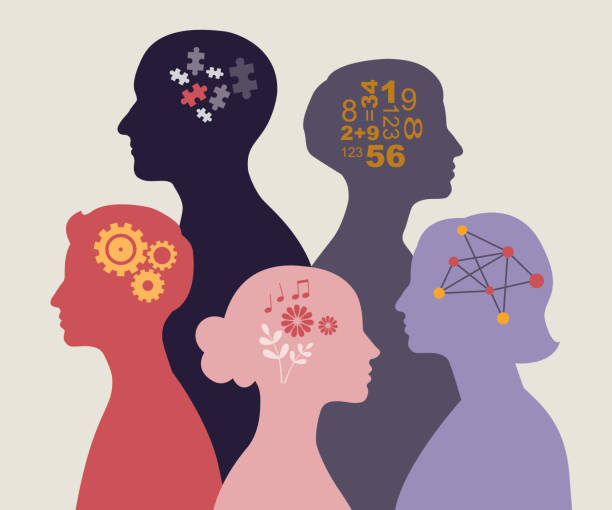
Attention-deficit hyperactivity disorder is genetic and involves problems in the brain and things around us. Attention Deficit Hyperactivity Disorder often runs in families. This means that genes might play a role in attention-deficit hyperactivity disorder. People with Attention Deficit Hyperactivity Disorder have different brain structures and chemicals, like lower levels of dopamine. Things like smoking during pregnancy, drinking alcohol, or being very stressed can increase the chances of a person having attention deficit hyperactivity disorder. It is important to know that lack of discipline does not cause attention deficit hyperactivity disorder. Some people blame the way people parent or a lack of discipline, which can make families feel very guilty about attention deficit hyperactivity disorder. Attention Deficit Hyperactivity Disorder is a condition that needs to be understood.
People with attention deficit hyperactivity disorder need help and support to deal with their attention deficit hyperactivity disorder.
https://climaxcreators.com/profile/suhilaelnagar
Living with ADHD: Struggles and Strengths
Attention Deficit Hyperactivity Disorder is not something to blame on the person who has it or their family.
To manage attention deficit hyperactivity disorder, one needs a doctor's diagnosis and treatment for ADHD. Genes can make it more likely for a person to have attention deficit hyperactivity disorder. Environmental factors also contribute to a person having attention deficit hyperactivity disorder. Attention Deficit Hyperactivity Disorder affects people, so we need to know about it. Understanding Attention Deficit Hyperactivity Disorder helps us support those people who have attention deficit hyperactivity disorder. It is a disorder that requires kindness and help from people to deal with attention deficit hyperactivity disorder.
Understanding the ADHD Mind
People with ADHD face a problem. This problem is that others do not understand what ADHD is. Kids with ADHD are often called names like "disruptive," "careless," or "unmotivated." This is not fair to them. When adults with ADHD have trouble getting well or being on time, people think they are irresponsible or act like kids. This is because people do not know that ADHD is something that affects the brain. When people do not understand ADHD, it can hurt the health of people with ADHD. Many people with ADHD think they are not good enough for a time before they find out what is really going on with them and get the help they need. So we must teach people about ADHD. This way, we can be kinder to people with ADHD.
https://www.nimh.nih.gov/health/topics/attention-deficit-hyperactivity-disorder-adhd
Focus, Energy, and ADHD
Treatment for ADHD usually involves approaches that are tailored to a person's needs. Mental therapy and regular therapy can help a lot. Some people also try coaching and make lifestyle changes. These approaches can provide benefits. Some individuals also use medication to help with attention and impulsivity. Regular exercise is also good for ADHD. It can help improve concentration.
Healthy sleep habits are also important. They can help with stability. Eating a diet can also help. The goal of treatment is not to change who a person is. It is to help them manage their difficulties. Every person with ADHD is different. They experience the condition in their own way. So support strategies must be flexible. They must be specific to a person's needs. This can help them get the most out of treatment.

ADHD is a condition that affects people all over the world. It affects how people pay attention, behave, control their emotions, and get things done every day. ADHD does not say how smart someone is or what they can do. People do not understand ADHD. That can make things harder for people who have it. If we learn more about ADHD, are kind to people who have it, help them get treatment, and make sure they have a good place to live and work, they can do really well in school, at their jobs, and with their friends. We should not just think of ADHD as a thing. We should see that it can be hard, but that people with ADHD have some special strengths. If we can understand more about ADHD and be kinder, we can help people with ADHD have lives that are meaningful and successful.