best food in Southeast Asia | street food Southeast Asia | Southeast Asia food guide
Everyone who's traveled through Southeast Asia has an opinion on this.
Ask someone who went to Thailand first and they'll tell you Thai food without hesitating. Ask someone who started in Vietnam and they'll look at you like the answer is so obvious it barely deserves a response. Ask someone who stumbled into Penang without expecting much and they'll lower their voice slightly, like they're sharing something they don't want too many people to find out about.
I've spent time in seven countries across Southeast Asia over three separate trips. Vietnam, Thailand, Malaysia, Singapore, Cambodia, Laos, Indonesia. I've eaten from street carts and hawker stalls and tiny restaurants with plastic chairs and places where the menu was entirely in a language I couldn't read and I just pointed at whatever the person next to me was having and hoped for the best.
Here's my honest answer. And why the answer is more complicated and more interesting than a single country name.
Why This Question Is Harder to Answer Than It Looks
Before getting into the countries, it's worth being clear about what "best food" actually means.
Because different people mean different things, and the answer shifts significantly depending on the definition.
Best for variety? One answer. Best for a single transcendent dish? Another. Best for eating well on almost no money? Different answer again. Best for the overall experience of food as part of a trip, the culture around it, the accessibility, the way meals are woven into daily life?
That's the question I find most interesting. And it produces a different winner than the others.
I'll try to cover all of them. But I want to be upfront that "best" in food is personal in a way that "best transport infrastructure" or "best beach" isn't. What I think is extraordinary someone else finds too intense, too unfamiliar, too confronting. Keep that in mind.
Vietnam, The Country That Keeps Surprising You
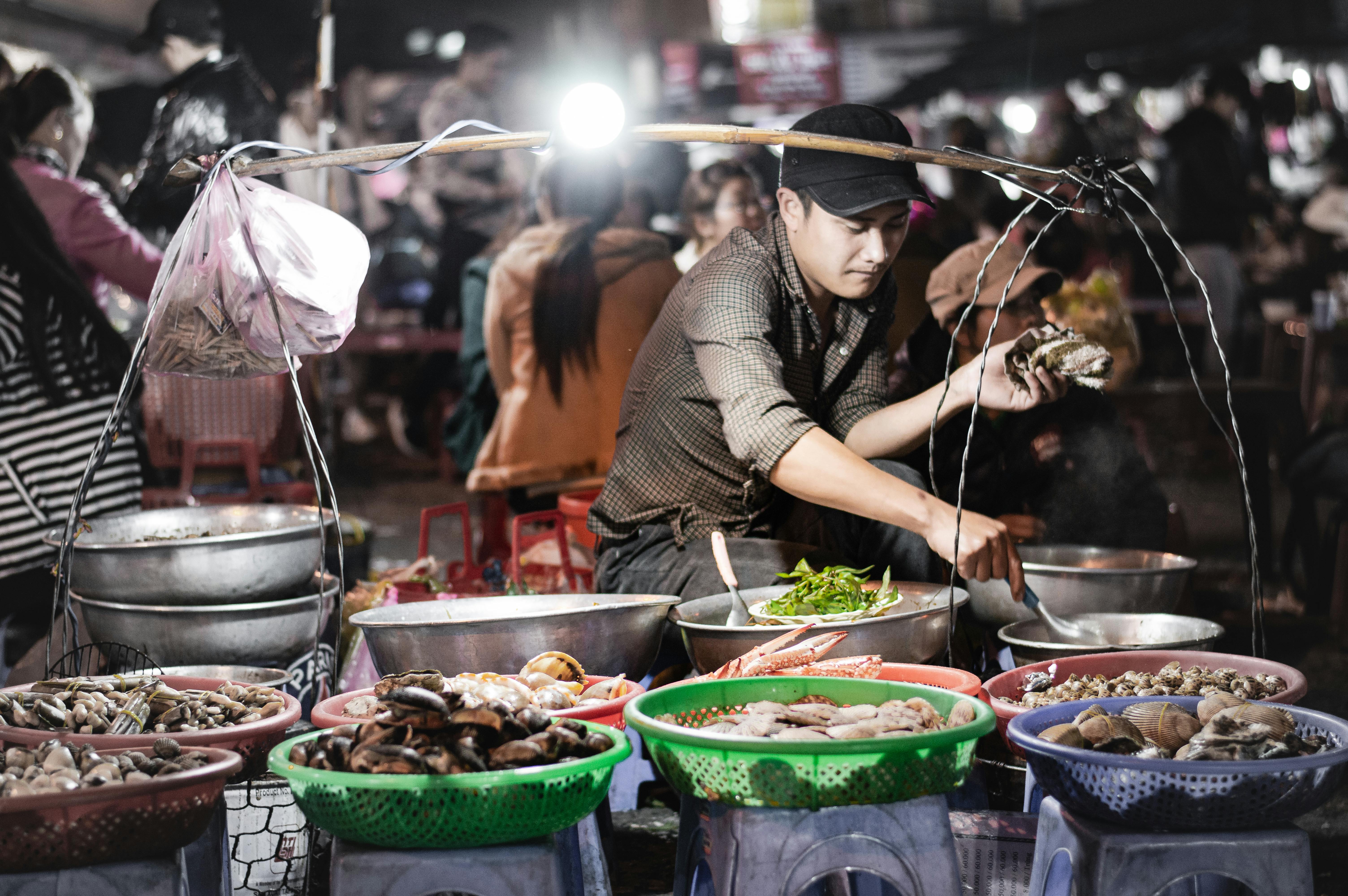
Vietnam was my first Southeast Asian country and I spent three weeks eating in a way I've genuinely never replicated since.
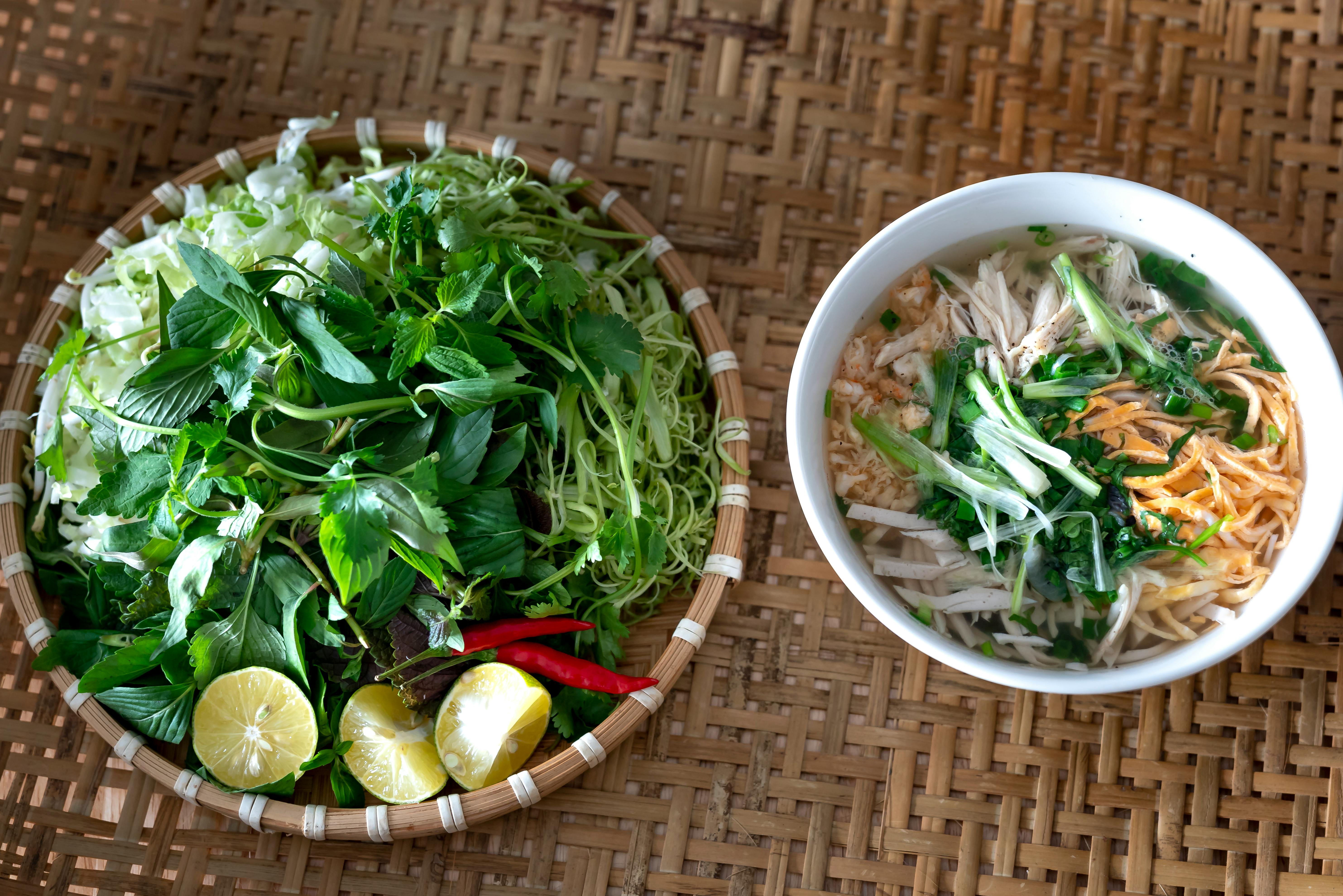
The thing about Vietnamese food that's hard to explain until you've actually been there is the freshness. Everything is bright. Herbs everywhere. A plate of food in Vietnam comes with what feels like a small garden on the side. Mint, basil, perilla, coriander, bean sprouts. You build the dish yourself at the table. That interactivity is part of what makes it work.
Vietnamese pho and banh mi are the two dishes most travelers know before they arrive. Both are better in Vietnam than anywhere else in the world, which sounds obvious but is worth saying because the gap is much larger than expected.
A bowl of pho in Hanoi at 6am, from a cart that's been running the same broth for thirty years, is a completely different thing from anything called pho elsewhere. The depth of it. The clarity. The fact that it costs less than a coffee anywhere in Europe.
Banh mi is the best grab-and-go food in Southeast Asia. Full stop.
A fresh baguette, crispy outside, soft inside, pork, pâté, pickled vegetables, coriander, chilli. Under a dollar in most places. Available on every other corner. Consistently excellent in a way that still surprises me every time I think about it.
If you're trying to understand why so many travelers become obsessed with Vietnamese cuisine after one trip, this guide to the best food to eat in Vietnam covers some of the dishes that make the country unforgettable.
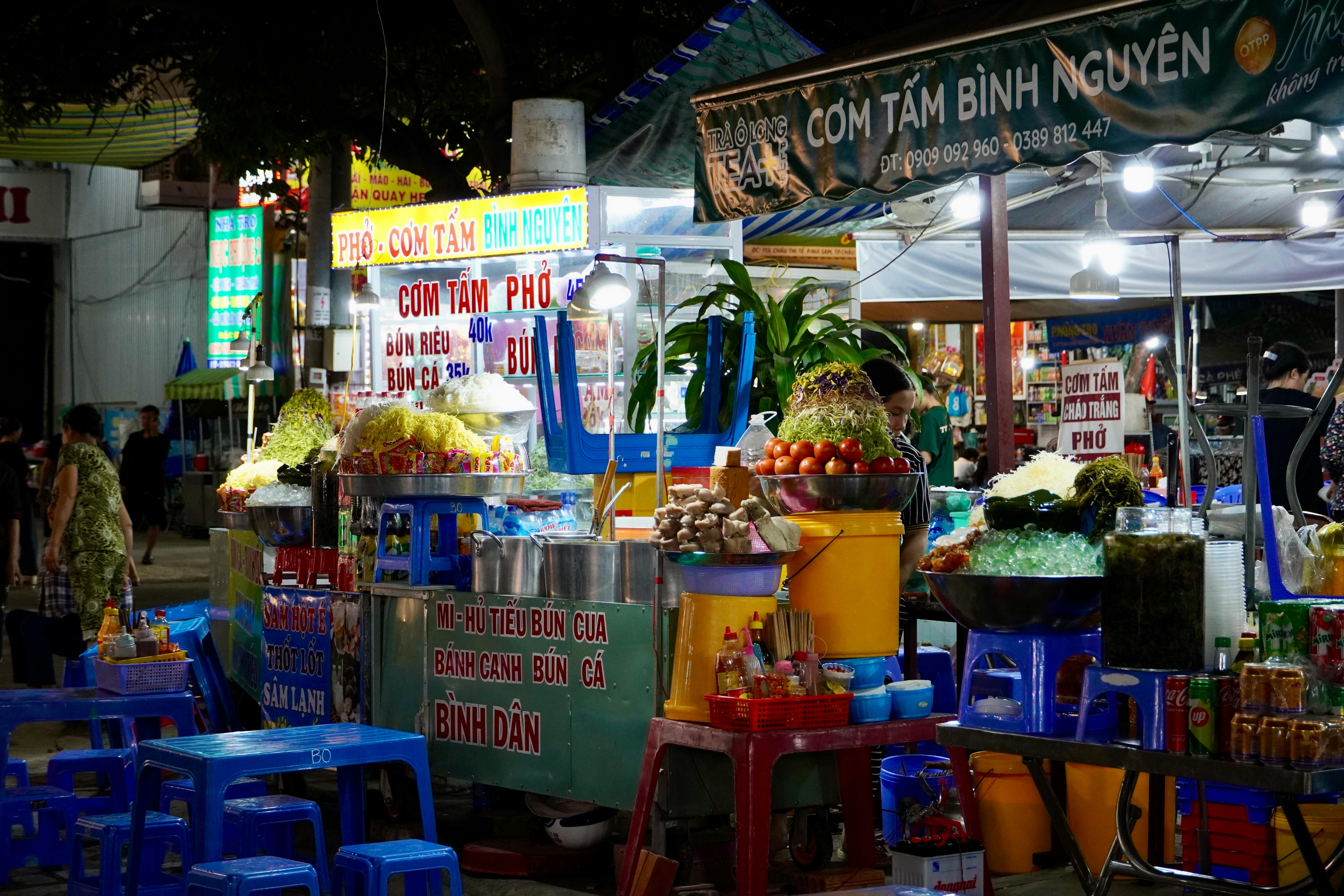
Beyond those two: bun bo hue if you want something with real heat and depth. Cao lau in Hoi An, which exists almost nowhere else and tastes like it knows that. Com tam in Ho Chi Minh City, which is broken rice with grilled pork and a fried egg and is significantly better than that description makes it sound.
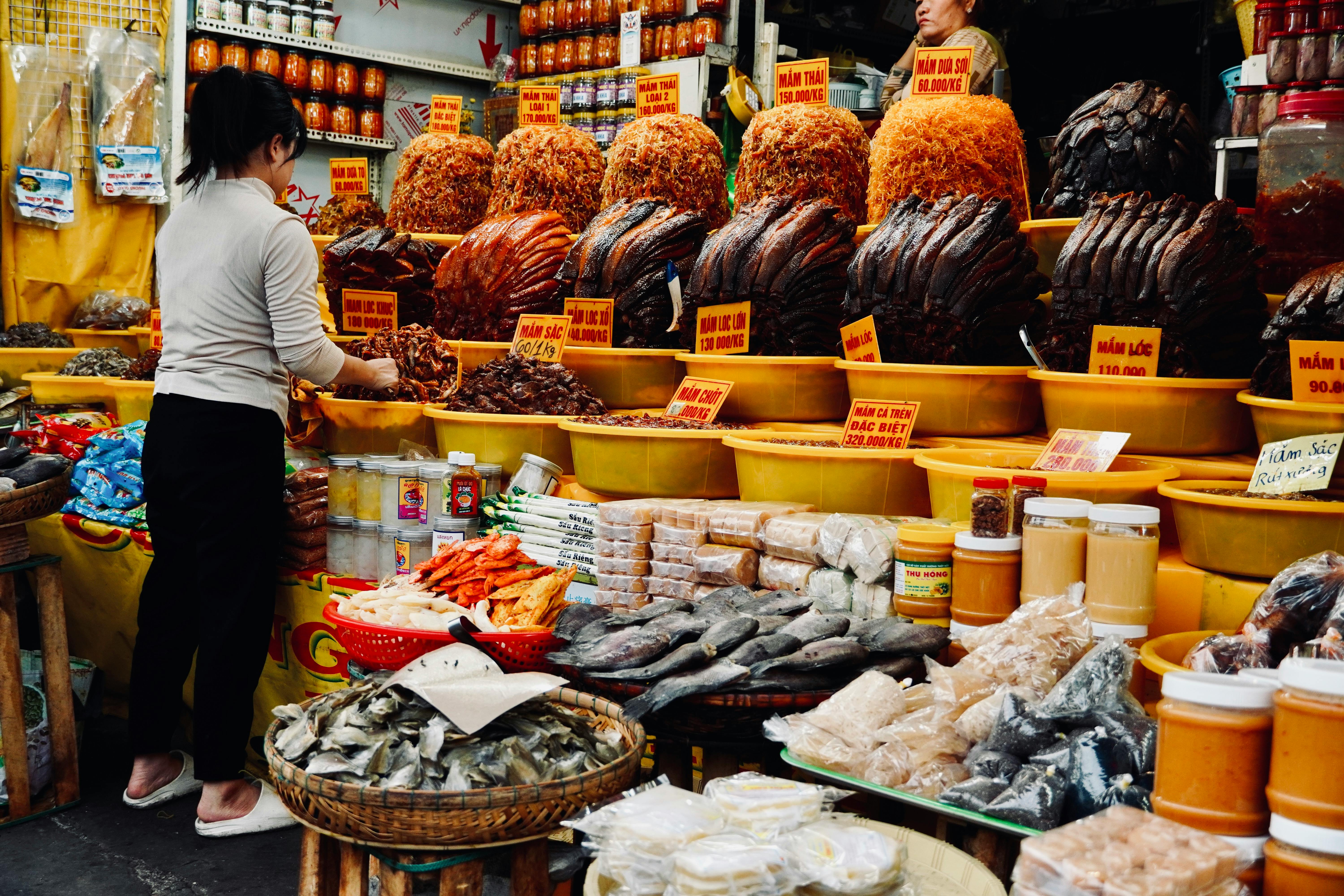
For street food Southeast Asia, Vietnam makes the strongest single-country argument. The quality is consistently high, the variety is extraordinary, and eating well is genuinely, almost embarrassingly cheap.
Thailand, The Country With the Most Famous Food Culture
Thailand has the most globally recognised food culture in Southeast Asia. The recognition is largely deserved.
Thai street food is the benchmark most people are already measuring against when they think about Southeast Asian food at all. Pad thai, som tam, green curry, massaman, boat noodles, mango sticky rice. These dishes are famous because they're good. And they're better in Thailand than anywhere else.
What makes Thailand genuinely interesting beyond the famous dishes is the regional variation, which most visitors completely miss because they stay in Bangkok and the islands and never go anywhere else.
Northern Thai food, around Chiang Mai, is entirely different from Bangkok food. Khao soi in Chiang Mai is a coconut curry noodle soup with crispy noodles on top and it's one of the best things I've eaten anywhere, in any country, on any trip. It barely exists in Bangkok. I had it for breakfast three days in a row and would have kept going.
The regional food culture in Thailand rewards travelers who slow down. Which most don't. Which means most travelers leave having eaten well but not having eaten the best of it.
For the best Southeast Asian cuisine for travelers who are new to the region, Thailand is still the most reliable starting point. The food is accessible without being dumbed down. The heat is adjustable. The variety is enormous. It's the place where almost everyone eats well regardless of what they order or where they end up.
Malaysia, The Country Most Travelers Underestimate
Malaysia is where I'd go if I could only eat in one Southeast Asian country for a month. One month, one country, this is the answer.
This is a controversial opinion among people who haven't been to Malaysia and an obvious one among people who have. Malaysian food is the product of three distinct culinary traditions, Malay, Chinese, and Indian, that have been overlapping and influencing each other for centuries. The result is a food culture of extraordinary depth that still doesn't get the global attention it deserves, which is simultaneously frustrating and convenient.
The Penang food scene is the specific argument most food-serious travelers make for Malaysia. Penang is widely considered to have the best street food in Southeast Asia. Possibly in the world, depending on who you ask and how seriously they take the question.
Char kway teow, asam laksa, cendol, nasi kandar, Hokkien mee. Each of those dishes has a version in Penang that is the definitive version, the thing other versions are compared against and found slightly lacking.
Asam laksa in particular. A sour, tamarind-based fish broth with thick rice noodles, pineapple, onion, mint, and shrimp paste. It's not a dish most Western palates would predict they'd love. I didn't expect to love it.
It was the best thing I ate across three trips through Southeast Asia. I've thought about it on and off for two years.
Kuala Lumpur's hawker scene is equally strong. The hawker centres, open-air food courts where individual stalls each specialise in one or two dishes, are the format Singapore has since made internationally famous. Malaysia does it with less self-consciousness and, usually, significantly lower prices.
For the best food in Southeast Asia on a pure food culture depth argument, Malaysia is the most defensible answer. The question is whether enough travelers know that yet.
Singapore, The Country That Made Food an Art Form
Singapore deserves its own section even though it's technically a city-state, because the food argument for Singapore is genuinely distinct from everything else in the region.
Singapore took the hawker centre format and elevated it to something the government now considers a form of national heritage. The hawker centres, Maxwell Food Centre, Lau Pa Sat, Old Airport Road, are food institutions in the way that specific restaurants are institutions elsewhere. Individual stalls run by the same families for decades, each producing one dish at a level of consistency and craft that's quietly extraordinary.
Hainanese chicken rice in Singapore. Chilli crab. Laksa. Char kway teow from the stalls that have been doing it longest. These aren't just dishes. They're the result of generations of repetition and refinement in a way that's almost impossible to replicate.
The honest caveat: Singapore is significantly more expensive than the rest of Southeast Asia. A hawker meal that costs two dollars in Penang costs five or six in Singapore. Still cheap by Western standards. But it changes the economics of food-focused travel.
For food tours Southeast Asia that include Singapore, it's unmissable. For budget-conscious travelers making choices about where to spend time, Malaysia gives most of the same food culture at a fraction of the cost.
Cambodia and Laos, Underrated and Worth Knowing About
Cambodia and Laos don't win the best food in Southeast Asia debate on most metrics. It'd be dishonest to pretend otherwise.
But both countries have dishes worth going specifically out of your way for, and both are consistently underrepresented in Southeast Asia food guides in ways that create pleasant surprises for travelers who weren't expecting much.
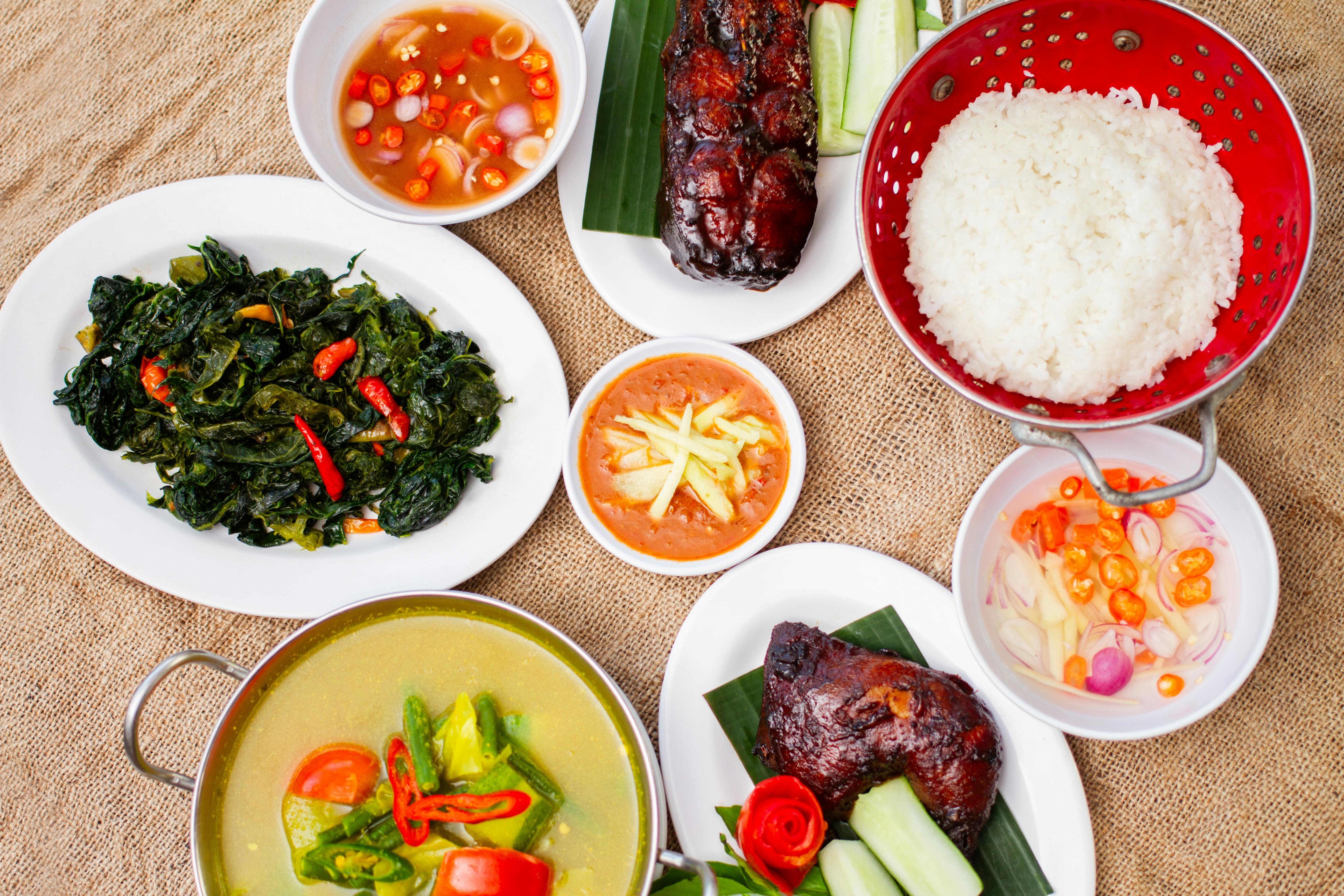
Cambodian fish amok, a coconut-based fish curry steamed in banana leaves, is a genuinely beautiful dish. Quietly spiced, fragrant, more delicate than most things in the region. Num banh chok, fresh rice noodles with green curry and fresh vegetables eaten at breakfast, is the Cambodian morning meal most visitors don't find because they're looking for something that resembles Western breakfast.
In Laos: khao niaw, sticky rice eaten by hand with almost every meal, and laap, a minced meat salad with herbs, lime, and fish sauce that is the national dish in the way that few dishes genuinely are. The food in Laos is quieter and less complex than Vietnam or Thailand. But it has a specific integrity that rewards paying attention.
Indonesia, The Sleeping Giant of Southeast Asian Food
Indonesia is the country food-serious travelers eventually arrive at and wonder why they waited so long.
The archipelago has over seventeen thousand islands and a food culture that varies dramatically between them. Bali, where most visitors go, isn't representative of Indonesian food at large. The food of Java, Sumatra, and Sulawesi is richer, more complex, and more interesting than most of what gets served to tourists in Ubud.
Rendang from West Sumatra. Soto, a spiced broth-based soup that exists in dozens of regional variations. Nasi padang, the Padang-style service where dozens of small dishes arrive at the table and you're charged only for what you eat. Bakso, a meatball soup sold from carts at almost every hour in every Javanese city.
The challenge with Indonesian food for most travelers is actually getting to it. The best of it exists away from the tourist trail, in cities and regions that require more intentional planning to reach than the standard Bali-Lombok-Gili route.
But for the traveler willing to go slightly off the standard path, Indonesia makes a genuinely serious case. One that more people would be making if more people had made it there.
So Which Country Actually Has the Best Food
Here's the honest answer, having eaten across all of them.
For pure street food: Vietnam. The consistency, freshness, and variety of Vietnamese street food is unmatched. The banh mi alone makes the argument.
For food culture depth: Malaysia. The overlap of three culinary traditions produces something genuinely unique. The Penang food scene is the strongest single food destination in the region.
For first-time travelers: Thailand. Most accessible, most varied, most consistently excellent across price points and regions.
For a single city experience: Singapore. With the caveat that it costs more than everywhere else.
For the surprise: Indonesia. Specifically Java and Sumatra if you're willing to go looking.
If someone asked me to pick one country, I'd say Malaysia. But Vietnam is a quarter of a second behind. And I'd understand completely if someone who'd spent two weeks in Chiang Mai eating khao soi every morning said Thailand and meant it absolutely.
Any of them will feed you better than most places on earth. That's the thing worth knowing before you go.
Final Takeaway
Don't plan a trip to Southeast Asia around the sights.
Plan it around the food. Figure out which dishes you want to try. Find the places those dishes are from. Go there. Eat. Adjust from there.
The best Southeast Asian cuisine for travelers isn't in any restaurant guide. It's at the cart that's been on the same corner for twenty years, run by someone who makes one thing and makes it better than anyone else in the city.
You find those places by asking locals, walking until something smells right, and eating something you can't identify and finding out afterwards what it was. That's the Southeast Asia food guide that actually matters. Everything else is just a starting point.
Already been to Southeast Asia and have a strong opinion on the food? Drop it in the comments. The Vietnam vs Thailand vs Malaysia debate is one I'll never get tired of having, and I read every one.
If you're planning a solo trip through Southeast Asia and want to know where to start practically, check out the solo travel beginner's guide on Climax Creators.
Frequently Asked Questions
Which Southeast Asian country has the best food? Malaysia makes the strongest case for food culture depth, particularly the Penang food scene. Vietnam wins on pure street food quality and variety. Thailand is the most accessible for first-time travelers. The honest answer depends on what kind of food experience is being sought.
What is the best street food in Southeast Asia? Vietnam's street food scene, particularly banh mi, pho, and the fresh herb-heavy dishes of the north, is widely considered the strongest. Thailand's street food in Bangkok and Chiang Mai is equally celebrated. Penang in Malaysia is often cited as the single best street food city in the region.
Is Thailand or Vietnam better for food? Both are exceptional and the choice depends on preference. Vietnamese food tends toward freshness, brightness, and herbs. Thai food is richer, more aromatic, and more immediately familiar to most Western palates. Most travelers who visit both find it genuinely difficult to choose.
What must try foods are there in Southeast Asia? Vietnamese pho and banh mi, Thai khao soi and pad thai, Malaysian asam laksa and char kway teow, Singaporean chicken rice, Cambodian fish amok, Indonesian rendang. Each at its best is worth traveling for.
Is Singapore food better than Malaysia food? The food cultures are closely related and both are exceptional. Singapore's hawker centres offer extraordinary consistency and craft. Malaysia offers similar quality, greater variety, and significantly lower prices. Most food travelers consider them complementary rather than competing.