Environmental Protection Starts with Us
There are many people who believe plastic shopping bags should be banned due to the damage to the terrestrial and marine environments worldwide. I firmly believe that is the case. But I think there are other things that could be done before a total ban.
The Earth in Crisis: Causes and Solutions
Small Actions, Big Environmental Impact
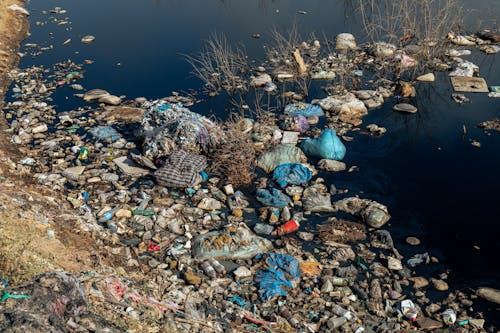
Small Actions, Big Environmental Impact.
Plastic bags are not biodegradable, and this is one of the main reasons to eliminate plastic bags in the coming years. That means they remain in the environment for hundreds of years and are a major source of long-term pollution. Plastic bags, which are frequently used only once, often end up in landfills and waterways, polluting ecosystems and posing a serious threat to marine life around the world.
https://climaxcreators.com/profile/suhilaelnagar
As plastic gradually degrades, it fragments into microplastics that contaminate ecosystems and endanger life on Earth. Consequently, prohibiting single-use plastic products, particularly shopping bags, is essential to reducing irreversible environmental harm. Nevertheless, promoting sustainable consumer behavior may be more effective than immediately imposing a complete ban. As plastic shopping bags are used primarily for convenience rather than necessity, individuals should be encouraged to adopt reusable alternatives in order to reduce plastic waste and environmental pollution. An additional strategy for limiting plastic bag consumption is to increase their cost significantly, as this would motivate individuals to reuse bags and reduce unnecessary plastic waste.
https://www.epa.gov/plastics/impacts-plastic-pollution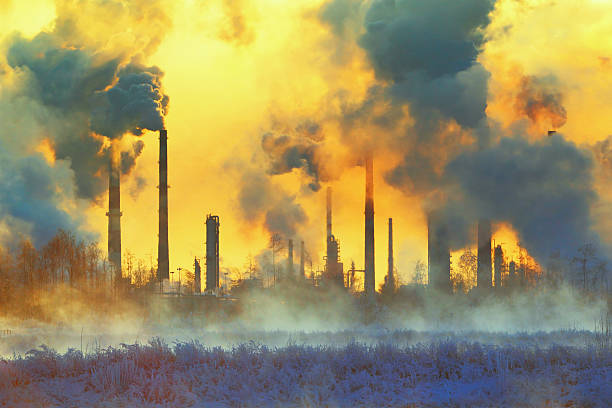
The Global Plastic Pollution Crisis
Plastic pollution has become one of the most serious environmental challenges facing the modern world. Although plastic products provide convenience and affordability, their excessive use has caused severe damage to ecosystems, wildlife, and human health. Every year, millions of tons of plastic waste are dumped into our oceans, rivers, and landfills—with long-term environmental impacts that threaten the future of our planet.

One of the major reasons behind the plastic crisis is the widespread use of single-use plastics. Things like plastic bags, bottles, straws, food containers, and packaging are often used for just a few minutes, then thrown away. Since most plastics are non-biodegradable, they can remain in the environment for hundreds of years. As a result, plastic waste continues to accumulate rapidly across the globe.
Pollution and Its Long-Term Ecological Consequences:
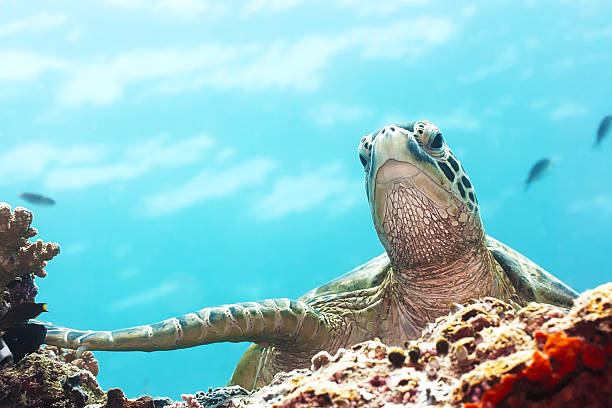
Marine pollution is among the most visible effects of plastic waste. Large amounts of plastic enter oceans every day through rivers, drainage systems, and illegal dumping. Sea animals frequently mistake plastic for food, leading to injury, starvation, or death. Turtles often consume plastic sacks, thinking they are jellyfish, while birds and fish become trapped in plastic debris. Over time, plastics break down into tiny particles called microplastics, which contaminate water sources and enter the food chain.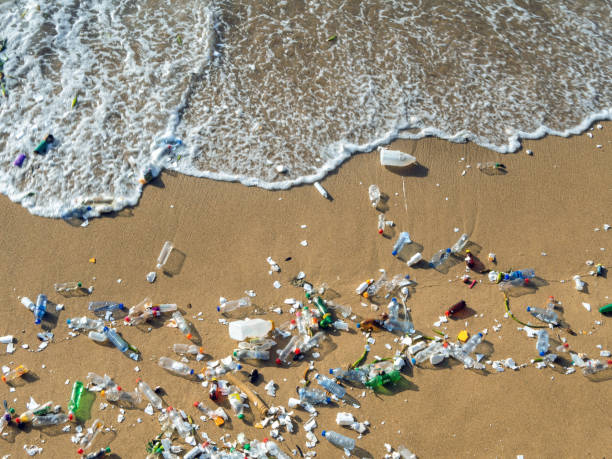
Plastic pollution also affects human health. Scientists have discovered microplastics in drinking water, seafood, and even the human body. Some plastics contain harmful chemicals that may contribute to health problems, including hormonal disruption and respiratory diseases. In addition, burning plastic waste releases toxic gases into the atmosphere, increasing air pollution and contributing to climate change.

Another serious problem is the poor handling of waste in many of the countries. Recycling systems are often weak or non-existent, particularly in developing countries. Poor infrastructure and lack of environmental awareness cause a lot of garbage to be dumped in open spaces or waterways. Recycling plastic products is also difficult to do well. Even in developed countries, recycling rates are relatively low.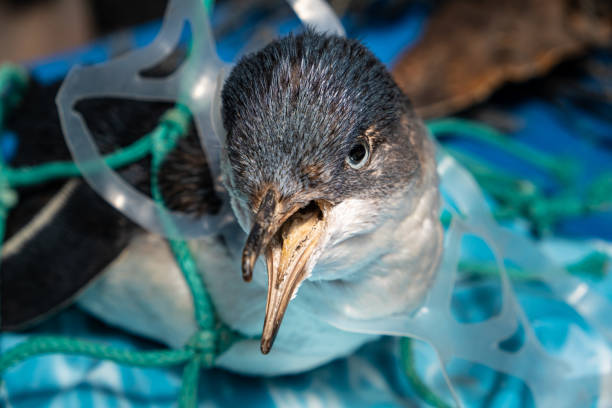
Governments, industries, and individuals all share responsibility for solving this problem. Governments can introduce stricter laws to reduce plastic production, ban unnecessary single-use plastics, and improve waste management systems. Companies should invest in sustainable and environmentally friendly packaging, such as biodegradable materials. Individuals can contribute by reducing plastic consumption, reusing products, recycling properly, and supporting eco-friendly businesses.

Saving Nature Before It Is Too Late
Education and environmental awareness are also essential. Schools, media platforms, and community organizations should encourage people to understand the dangers of plastic pollution and adopt sustainable habits. Small daily actions, such as carrying reusable bags or avoiding plastic bottles, can collectively make a significant difference.
Global Warming and Its Dangerous Effects:

Finally, implementing recycling systems that reward consumers with financial incentives for returning used plastic bags can serve as an effective solution. Such initiatives not only encourage behavioral change but also raise awareness of plastic pollution more broadly, potentially driving wider efforts to reduce the use of other non-essential plastic products in the future. 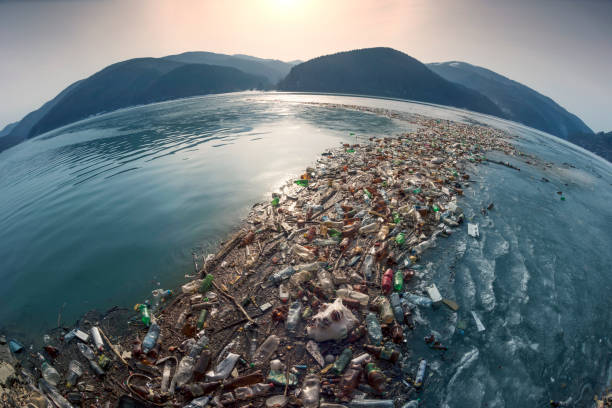
Environmental Conservation and Sustainable Development
In conclusion, plastic pollution is a global crisis that threatens nature, wildlife, and human well-being. Although plastic remains an important material in modern society, its uncontrolled use has created devastating environmental problems. By promoting responsible consumption, improving recycling systems, and supporting sustainable alternatives, societies can reduce plastic waste and protect the planet for future generations.
An eventual prohibition of plastic bags is vital to safeguarding the planet, as it helps mitigate the long-term environmental damage caused by non-biodegradable, single-use materials.
https://climaxcreators.com/posts/pharmacology