solo travel in Japan | best country for solo travel | Japan solo travel tips
People kept telling me Japan would ruin me for other destinations.
I thought that was just the thing people said. Travel hyperbole. The kind of sentence that comes out of someone's mouth when they've just landed home and haven't fully come down yet. I smiled and nodded and quietly filed it away under "things enthusiastic people say."
Three weeks of solo travel in Japan later, I get it. I genuinely, completely get it.
I've been alone in five countries now. Portugal, Morocco, Vietnam, Colombia, Japan. And Japan is, without much competition, the easiest and the strangest and the most quietly extraordinary place I've ever done it. Which honestly wasn't what I expected to say. Before I went I was half-convinced it'd be the hardest. The language alone had me nervous for weeks.
Here's what actually happened.
Is Japan Safe for Solo Travelers, or Is That Just Something People Say?
Before I booked anything, I spent an embarrassing amount of time Googling this exact question. Read the same reassuring articles over and over. Still wasn't convinced, because reassuring travel articles are written by people who need you to click, not necessarily people who want to be straight with you.
So I'm going to try to be straight with you.
Japan is the safest country I've ever been in. I say that as a woman who's traveled alone through places with genuinely complicated safety reputations, places where I had the low-level alertness running the whole time, the thing where you're aware of every footstep behind you.
Japan didn't have that. Not once.
I left my phone on a café table in Kyoto for twenty minutes. Walked away, forgot it, remembered, came back in a mild panic. It was exactly where I'd left it, and a stranger had placed a napkin over it so it wouldn't get dusty. That detail. I've thought about it more times than makes sense.
I got properly lost in Osaka at midnight, the kind of lost where your phone signal's gone and you don't recognise anything, and I wasn't scared. Annoyed, briefly. But not scared. That's not something I could say about midnight in a lot of cities I've loved.
Now, there are specific discomforts worth knowing about. Some establishments in certain areas still quietly don't welcome foreign visitors, which is uncomfortable to encounter and real. The language barrier makes stressful situations more stressful. If something genuinely went wrong, navigating it without Japanese would be hard.
But as a baseline solo travel experience, trains, streets, restaurants, hostels, walking around alone at whatever hour, I never felt unsafe. Not for a moment.
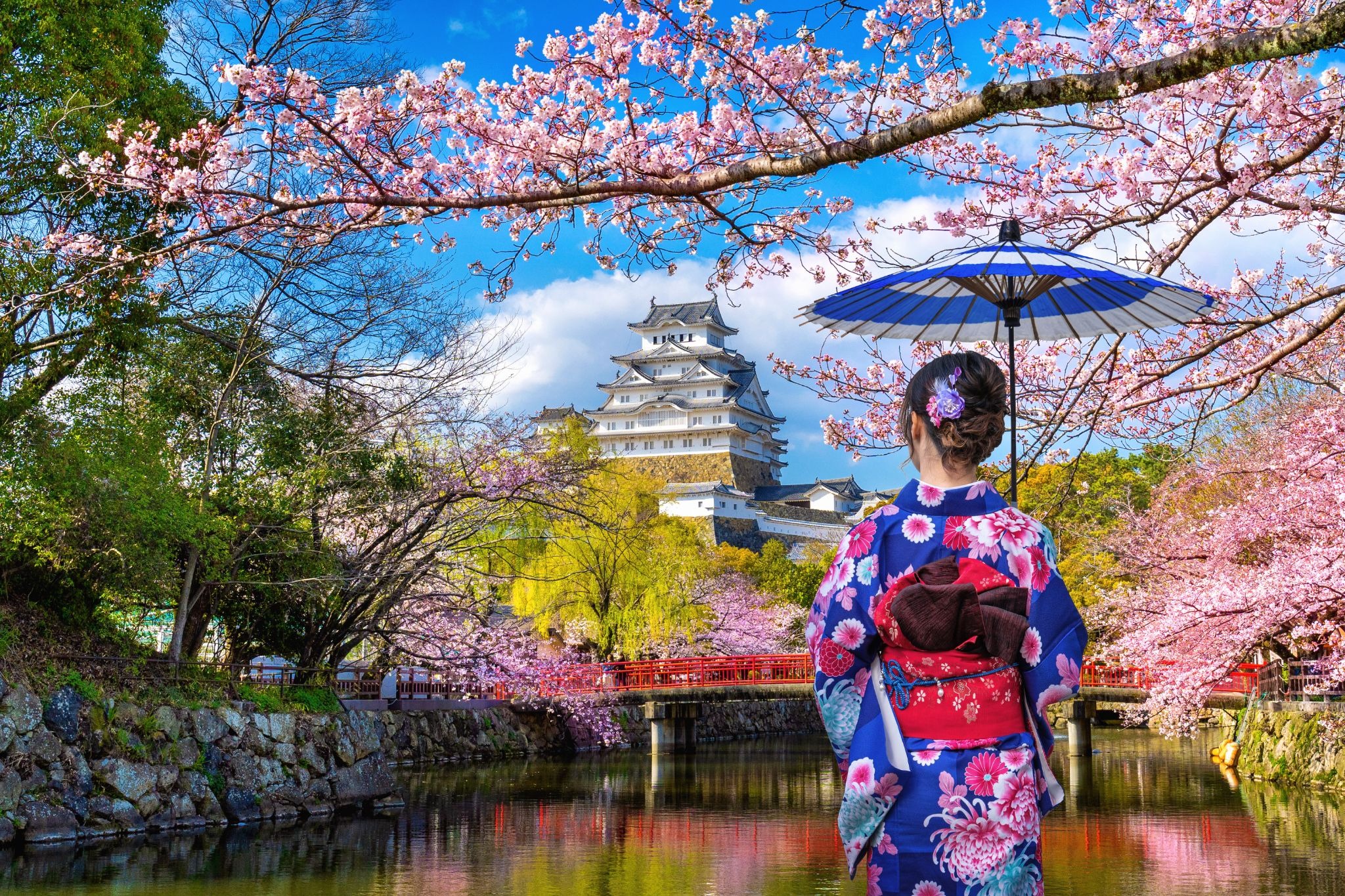
Does the Language Barrier in Japan Actually Matter for Solo Travelers?
This was my biggest fear. Bigger than safety, weirdly.
I'd somehow built it into this wall in my head where I couldn't speak the language, couldn't read the signs, couldn't read the menus, couldn't read anything, and I'd be standing in the middle of Tokyo completely helpless and humiliated.
It wasn't like that at all.
Japan has spent decades building infrastructure for international visitors in a way that a lot of countries simply haven't. Train stations have clear English signage. Google Maps works almost everywhere, including places so rural I was the only obvious tourist for miles.
Most restaurants either have picture menus or those plastic food display cases outside the window, the ones where you can see exactly what you're ordering before you go in, which I now think every country should have. Convenience stores, which you will basically live in, this is just a truth of solo travel in Japan, accept it early, are entirely navigable without a single word of Japanese.
The thing that actually surprised me was how people handled the gap. Every time I was visibly confused, and I was visibly confused constantly, multiple times a day, someone either approached me or responded with patience that felt genuine rather than performed.
A station attendant in a small rural town spent ten minutes drawing me a map by hand. His English app wasn't quite giving him what he wanted and he didn't want to just point me in a direction and hope. He drew me a map. I kept it.
I learned maybe ten words before I left. Arigatou gozaimasu. Sumimasen. Eigo wa hanasemasu ka. Just making that effort, stumbling over the pronunciation, getting it wrong, trying again, visibly changed how people responded.
The language barrier in Japan is real. It's just a fraction of the size of the fear of it.
Japan Rail Pass, Is It Actually Worth It for First-Time Solo Travelers?
Practical section. Staying here a minute because it genuinely matters and I made some wrong assumptions before I went.
The Japan Rail Pass is a flat-fee pass covering unlimited travel on most JR trains, including the Shinkansen bullet trains, for 7, 14, or 21 days. For a standard solo travel in Japan route moving between cities (Tokyo, Kyoto, Osaka, with side trips out), the 14-day pass tends to pay for itself fairly quickly.
I ran the numbers before I left, mapped my likely routes, and the pass came out significantly ahead.
But here's the thing people don't say enough: it's not always the right call. If you're spending most of your time in one city, or doing a shorter trip, or not planning much Shinkansen travel, the pass might actually cost you more than individual tickets.
The IC card, Suica or Pasmo, loaded with credit, works better for local trains and buses anyway, and you'll need one regardless of whether you get the pass.
My actual Japan solo travel tip here: map out your rough itinerary first. Price the individual journeys. Then compare. The JR Pass website has a calculator and it's worth using rather than assuming either way.
For three weeks moving between cities the 21-day pass was worth every yen. For a single week in Tokyo? Probably not.
Capsule Hotels in Japan, What Solo Travelers Actually Need to Know
I stayed in three capsule hotels across the trip and one ryokan, and the capsule hotel thing is genuinely something I'd tell any first-time solo traveler in Japan not to skip just because it sounds strange.
What they actually are: individual sleeping pods. Yours has a pull-down blind or sliding door, a light, a small shelf, sometimes a screen. Shared bathrooms. Shared lounge. Lockers for your stuff.
They're not for people who need a door that closes and a room to themselves. If that's you, you'll hate it.
But if you're fine with the hostel setup and you're using your accommodation mainly to sleep and store your bags, they're affordable, incredibly clean, Japan's cleanliness standards are genuinely something else, I was not prepared for how different, and usually well-located.
The unspoken etiquette is strict: quiet after a certain hour, no phone calls in the sleeping area, shoes off at the entrance, communal spaces treated carefully. I actually found this easier than most hostels I've stayed in, because everyone was following the same rules and taking them seriously. Nobody was being the person at 2am. It just didn't happen.
Then there's the ryokan, which is the complete opposite end of the experience. Tatami floors. Futon on the floor. Yukata robe hanging in the wardrobe. Multi-course dinner brought to your room.
More expensive, yes. Worth doing once, absolutely yes.
The ryokan I stayed in outside Kyoto was the night I felt most inside Japan rather than just moving through it. The whole experience of Japanese culture etiquette was present in every small detail. The way the food was arranged. The way the host showed me how to fold the futon in the morning. All of it.
If you're still figuring out what kind of solo traveler you are before this trip, this guide on solo travel for beginners on Climax Creators might help you work that out first.
The Tokyo Neighborhoods No One Tells First-Time Solo Travelers About
Every guide will tell you Shinjuku and Shibuya. They're right, you should go, they're remarkable. But the solo travel in Japan experience gets genuinely interesting when you step off the obvious path, and in Tokyo that means the smaller neighborhoods.
Yanaka is one of the few areas that survived the WWII bombing mostly intact, so the streets still have that old wooden shopfront feel that most of the city doesn't. Small family businesses, temple alleys, cats sleeping on walls. Almost no tourists when I was there.
I spent an entire afternoon just wandering. No agenda. The kind of afternoon that doesn't make a good photo but stays with you.
Shimokitazawa is young, creative, full of vintage clothing and tiny live music venues and coffee shops where people are reading actual physical books. I walked in planning to stay an hour. Left three hours later having bought a secondhand jacket I definitely didn't need and drunk two coffees and felt extremely at home in a city that had felt enormous an hour before.
Koenji has similar energy but it's slightly quieter, slightly less discovered. Record shops. Secondhand everything. A ramen place with eight seats and a handwritten menu and a queue that moved fast.
As a solo traveler you can give these places the time they need. Double back. Sit somewhere for two hours without anyone waiting on you. These neighborhoods reward slow attention in a way that's genuinely hard to do with a group and a fixed itinerary.
Japanese Culture Etiquette, What I Wish I'd Known Before I Arrived
This is the part most guides either skip entirely or reduce to a bullet list you skim and forget. I want to actually talk about it because it mattered more than I expected.
Japanese social culture operates on a set of unspoken rules that are genuinely different from what most Western travelers carry with them. Not knowing them doesn't make you a terrible person. But knowing them changes the quality of the whole trip.
The things that came up for me, repeatedly, that I hadn't fully registered before I left. If you want a full official breakdown before you go, Japan's National Tourism Organization has a surprisingly readable etiquette guide that covers most of it. But here's what actually showed up in my day-to-day:
Eating while walking is considered rude in most contexts. You see tourists do it constantly. The local norm is to stop, eat, then move on.
I found this out when I bought street food in Kyoto and started walking away with it and the vendor, gently, not unkindly, gestured toward a small standing area beside the stall. A tiny moment. But I've thought about it since, about how easy it was to just not know.
Talking on your phone on trains isn't done. You can feel it the second you get on, the quiet, the headphones, the books, the collective understanding that this is a shared space and you don't perform in it.
The first time my phone rang I wanted to actually disappear. The second time I'd learned.
Tipping doesn't exist and trying it can cause confusion or mild offense. The service is just the standard. I kept reaching for my wallet at the end of good meals out of reflex, because the service was so consistently good that the instinct kept coming back. Eventually I stopped, but it took a while.
None of this is a list of things to memorize nervously. They're just rhythms. You pick them up fast if you're paying attention, and solo travelers tend to pay attention, because there's nobody else to talk to.
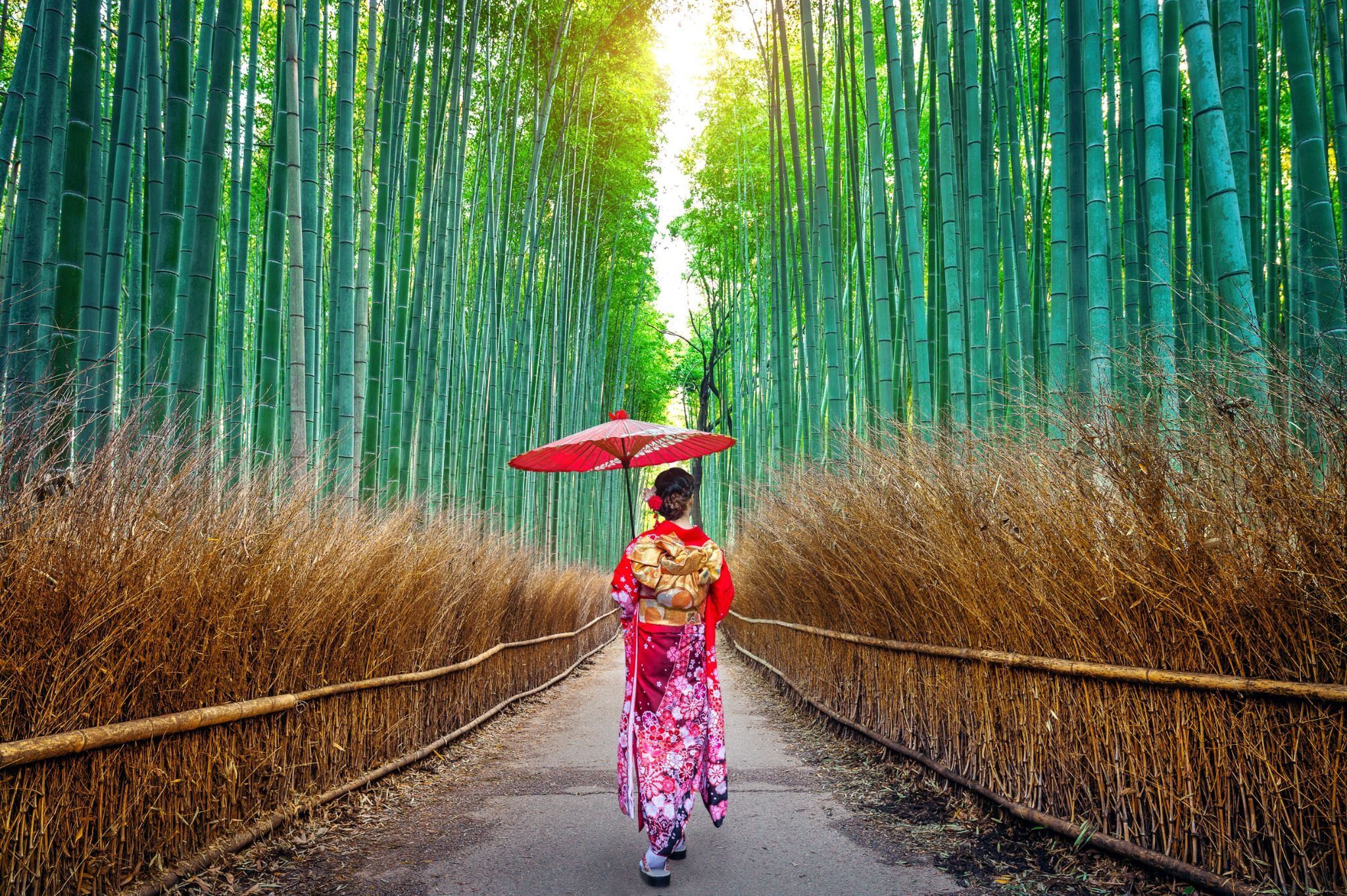
Is Japan the Best Country for Solo Travel, My Actual Answer
Here's what I'd honestly say, having been there and come back and turned it over in my head probably more than is reasonable.
Japan works for solo travel in a way very few countries do. The infrastructure, the safety, the cultural norm of minding your own business while also being quietly helpful when someone needs it.
And then there's the specific detail I keep coming back to: eating alone in Japan isn't just accepted, it's designed for. Restaurants have solo seats facing the wall or the kitchen, little wooden dividers between spots at the counter, specific spatial setups built around the idea that a person might want to eat a good meal in peace without the social weight of a table for one.
I ate alone every single day and never once felt like I was doing something that required explanation.
It's harder if you're not comfortable with uncertainty. The language gap is real even when it's manageable. Getting genuinely lost, not charmingly lost, actually disoriented and unsure, happens, especially outside the cities. Rural Japan can feel isolating in ways that Tokyo doesn't.
But the rewards are proportional. Every time something was difficult, something extraordinary came immediately after. The country balances those things in a way I haven't found anywhere else.
People told me Japan would ruin me for other destinations. I smiled and nodded and didn't quite believe them.
They were right.
Final Takeaway for Anyone Considering Solo Travel in Japan
If you're on the fence, here's the clearest thing I can say: Japan is one of the most forgiving countries in the world to travel alone in for the first time.
It rewards people who move slowly, pay attention, and don't need every moment to be social. The benefits of traveling alone are more visible here than almost anywhere else, because the country is quietly set up to make you feel welcome even when you're completely on your own.
Start with Tokyo. Give yourself at least a week. Then take a Shinkansen to Kyoto and see what happens.
You'll figure out the rest as you go. That's the whole point.
And if you've already been to Japan alone, or you're planning your first trip, drop a comment below. Tell me where you went, what surprised you, what you'd do differently. These conversations are genuinely my favourite part of writing about travel, and I read every single one.
Frequently Asked Questions About Solo Travel in Japan
Is Japan good for solo female travel?
Yes, consistently one of the safest destinations for women traveling alone. Low crime, respectful culture, and infrastructure built around solo visitors make it one of the strongest first solo trip options anywhere.
Do I need to speak Japanese for solo travel in Japan?
No, but learning a handful of basic phrases makes a real difference in how locals respond to you. English signage is widely available in cities and most tourist areas.
Is the Japan Rail Pass worth it for solo travelers?
Depends entirely on your itinerary. For multi-city trips with Shinkansen travel, yes. For short trips or stays mostly in one city, individual tickets or an IC card will likely be cheaper.
What are the best cities for solo travel in Japan?
Tokyo for variety and energy, Kyoto for temples and slower pace, Osaka for food and nightlife, Hiroshima for history. Each one rewards solo exploration differently and at its own speed.
Is Japan expensive for solo travelers?
Mid-range. Food, local transport, and accommodation can all be done affordably, capsule hotels and convenience store meals keep daily costs down, but flights and the Rail Pass are real upfront costs worth planning for.
Done solo travel in Japan, or planning your first trip? Leave a comment — happy to talk through routes, budget, or the things I'd do differently if I went back.