
Why Are Travelers Choosing Small Towns Over Big Cities?
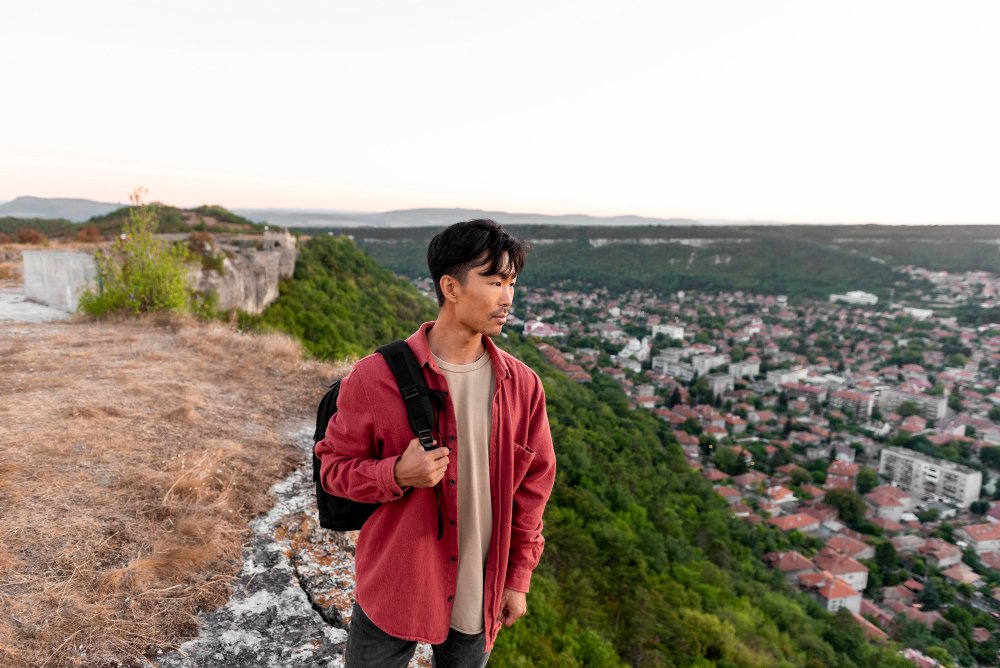
You know the feeling. You've spent half the day standing in line to see a famous landmark, squeezed through crowds to get a photo, and paid far more for lunch than you probably should have. And somehow, by the end of it, you're not even sure you enjoyed it that much.
I've had that experience more times than I'd like to admit. Different country, same story. The landmarks change, but the crowds, queues, and packed itineraries don't.
That's probably why more people are starting to travel differently. Instead of booking trips around famous skylines and must-see attractions, they're choosing small towns, quiet streets, and places that rarely make it onto a travel bucket list.
A small town doesn't always have a world-famous museum or a landmark you've seen on Instagram. Sometimes it just has a great café, friendly locals, and the kind of pace that makes you slow down for the first time in months.
And that's the interesting part. Travelers aren't giving up on travel. They're simply changing what they want from it.
So, why are more people choosing small towns over big cities? And what is it about small town travel that feels so different? Let's take a closer look.
The Changing Face of Modern Travel
Something shifted after 2020 that never really shifted back. Overtourism went from a word travel writers used to a thing normal people started complaining about out loud. Venice started charging day-trippers just to walk in. Amsterdam ran ad campaigns basically begging certain tourists to stay home. Kyoto blocked off parts of Gion because visitors kept treating geisha like photo props instead of, you know, people going to work. UN Tourism's own research on this backs it up — cities across Europe are actively measuring how fed up their residents are getting, and it's not a small problem anymore.
Meanwhile, the data on the other side tells a matching story. Booking.com's own 2026 travel trends research found that travelers are increasingly finding what they want not by doing more, but by doing less — slowing down, staying put, letting a place actually sink in instead of racing through it. That's not marketing spin. That's tens of thousands of travelers telling a booking platform, unprompted, that they're tired.
Small towns didn't have to do anything to benefit from this. They were just sitting there, uncrowded and cheap, while everyone finally noticed.
What's Driving Travelers Away From Big Cities?
Overcrowding and Overtourism Fatigue
There's a specific kind of exhaustion that comes from visiting somewhere "amazing" and spending half the day in lines. Timed-entry tickets. Crowd barriers. Apps telling you the wait time for a fountain. At some point sightseeing turns into logistics management, and that's not really a vacation — that's a part-time job with worse pay.
Rising Costs of Travel in Major Cities
Here's the thing nobody wants to say out loud: a lot of big-city tourism is just a tax on convenience and hype. Same coffee, same croissant, triple the price, because you're paying for the zip code. Go one town over and suddenly your money actually stretches.
Loss of Authenticity in Tourist Hotspots
Ever walk through a neighborhood and realize every "local" restaurant has a menu in six languages and a laminated photo of the dish out front? That's not a local restaurant anymore — that's a set. Somewhere along the way, tourism started reshaping neighborhoods to perform "authenticity" instead of just being authentic, and people can feel the difference even if they can't always name it.
Small Towns vs Big Cities: A Side-by-Side Comparison
Not every trip needs to look like the right-hand column, to be clear — sometimes you want the chaos, the skyline, the 2am street food. But when travelers are actively googling "small towns vs big cities" before booking anything, that tells you people are starting to treat this as a real decision, not just a default.

The Rise of Slow Travel Destinations
What Is Slow Travel?
Slow travel is less an itinerary and more a mood. Fewer stops, longer stays, and a willingness to let a place surprise you instead of forcing it into a schedule you built three months ago from a blog post (no offense to blog posts).
Why Slow Travel Appeals to Modern Travelers
People are burned out. Not just from work — from travel itself, which sounds almost embarrassing to admit, but here we are. Slow travel gives your brain room to actually notice things instead of sprinting from checkpoint to checkpoint.
How Small Towns Naturally Support This Lifestyle
Small towns basically force the slow-travel mindset on you, whether you planned for it or not. There's no ten-page list of "must-see" attractions demanding your attention. So instead, you end up doing things like getting genuinely invested in a shopkeeper's opinion on the weather, or losing an hour to a walk that had no destination at all. It's not efficient. It's better.
Benefits of Choosing Small Town Travel
Authentic Local Experiences
Nobody's staging anything for you here — the market is the market whether tourists show up or not, which honestly is refreshing after a while.
Peaceful, Low-Stress Environments
Fewer people means fewer lines, less noise, and a version of "relaxing" that actually feels like relaxing instead of an endurance test with a nice view.
Deeper Cultural Travel Experiences
Small towns tend to hang onto the stuff bigger cities lose — dialects, crafts, quirky local festivals nobody's heard of outside a 20-mile radius. That specificity is what sticks with you.
Genuine Connections With Locals
Try striking up a real conversation with someone in a city that sees ten million visitors a year — good luck. In a small town, the person selling you bread might actually remember you by day three.
Less demand, lower prices, simple as that. Your money just goes further when you're not competing with a million other visitors for the same room.

Hidden Travel Destinations Worth Exploring
A few places that haven't fully made it onto everyone's radar yet — and honestly, that's part of the appeal:
Hallstatt-adjacent villages, Austria — same alpine views as the famous lake town, minus the tour buses parked six-deep
Ronda, Spain — a dramatic gorge and centuries of Moorish history, but people fly right past it for Seville
Ubud's surrounding villages, Bali — working rice terrace towns just outside the main strip, still running on farming, not selfies
Matera, Italy — genuinely ancient cave-dwelling architecture, and somehow still quieter than Rome on a Tuesday
Hoi An's countryside villages, Vietnam — traditional craft towns a short ride from the touristy old town, doing their own thing
What ties these together isn't just being "off the beaten path" for its own sake — it's that they're still functioning as actual communities, not stage sets built around visitors.
How to Plan a Meaningful Small Town Trip
Research Before You Go
Small towns rarely have a polished "Top 10 Things To Do" guide waiting for you. You'll have to dig a little — local blogs, regional tourism sites, even geotags on social media. It takes more effort, but that's kind of the trade-off for something less crowded.
Support Local Businesses
Pick the family-run guesthouse over the chain hotel. It's not about being a "good tourist" — it's that the money actually stays in the town instead of flowing out to a corporate office somewhere.
Slow Down Your Itinerary
Leave gaps. Don't fill every hour. The best stuff tends to happen in the parts of the day you didn't plan for.
Stay Longer in Fewer Places
One night somewhere barely counts as visiting it. Give a place three or four days and you'll notice a completely different rhythm settle in.
Are Small Towns the Future of Travel?
Probably, for a good chunk of travelers anyway. As people keep prioritizing sustainability, mental health, and just wanting a trip that feels real, small towns are naturally in a good spot to deliver that — lower environmental strain, less infrastructure pressure, and a much less awkward relationship between visitors and the people who actually live there.
That doesn't mean cities are going anywhere. It just means the city break isn't the automatic default it used to be.
Conclusion: Choosing Meaning Over Crowds
This isn't really about avoiding cities. It's about noticing that cities can't always give you what a lot of travelers are actually after these days — room to breathe, something that feels real, an actual conversation with an actual person. Small towns — coastal, mountain, ancient market town, whatever flavor you're into — are proving you don't need a packed itinerary or a famous skyline to have a trip that sticks with you.
If your last few trips felt more like checklists than experiences, that's probably worth paying attention to.
Ready to find your own hidden gem? Check out our guide to What Are the Best Ways to Find Budget Accommodation?, or grab our What Are the Best Travel Hacks for First Time Travelers?
to start building a trip that actually lets you slow down for once.
Frequently Asked Questions
What is small town travel?
It's choosing smaller, lesser-known destinations over major cities — usually because you want something slower, more immersive, and a lot more connected to the people actually living there.
Is small town travel cheaper than visiting big cities?
Usually, yes. Less demand means lower prices across the board — rooms, meals, activities, all of it.
What is slow travel, and how is it different from regular travel?
Regular travel tries to see everything. Slow travel tries to actually experience a few things. It's fewer stops, more time in each one.
How do I find hidden or off the beaten path destinations?
Skip the top-10 lists for a minute. Local blogs, regional tourism boards, and even random geotags on social media tend to surface the towns that haven't been "discovered" yet.
Are small towns safe for solo travelers?
Generally, yes — often more so than big cities, thanks to lower crime rates and a tighter-knit community. Still worth doing your homework on the specific place, though.
Written by Priya Singh
@singhpriya.riya26 • Global Creator
Explore more thoughts and insights published by this creator. Subscribing to Climax Creators lets you support this author directly.